


How to Choose Your First Marathon
A practical framework for picking your debut 26.2 — course difficulty, field size, travel, and what actually matters on race day.
Marathon guide
Match a race to your goals — personal bests, sightseeing, atmosphere, or a major milestone — using course data and realistic expectations.
Different races reward different ambitions. A personal-best attempt needs a fast, flat course and cool weather. A destination race prioritises the city and the trip. A major milestone — like a World Marathon Major — may mean accepting a harder entry process or a tougher course for the badge on your CV.
Use Marathon Focus to compare elevation gain, typical race-day temperature, altitude, and course layout. Two marathons in the same country can feel completely different: one flat along a river, another hilly through parks and suburbs. Our course profiles guide explains how to read those numbers.
On the marathon database, filter by country, month, elevation, or World Marathon Majors. Sort by participants to find big atmospheres, or by next race date if your calendar is fixed. Flat-course hunters can set elevation to Flat and cross-check with the flat vs hilly guide.
A fast flat course in humid heat can still produce a slow day. Read typical min/max temperatures and humidity on each race page, then see our marathon weather guide for how conditions affect pacing and hydration.
Open registration, lotteries, qualifying standards, and charity places all change your timeline. Major races often need planning a year or more ahead. Read marathon entry explained and the FAQs on your shortlisted races before booking non-refundable travel.
If this is your debut, start with how to choose your first marathon — it focuses on finish-line confidence over prestige.
Planning guides
A practical framework for picking your debut 26.2 — course difficulty, field size, travel, and what actually matters on race day.

When a flat course helps your time, when hills are worth the view, and how to pick terrain that fits your training and goals.
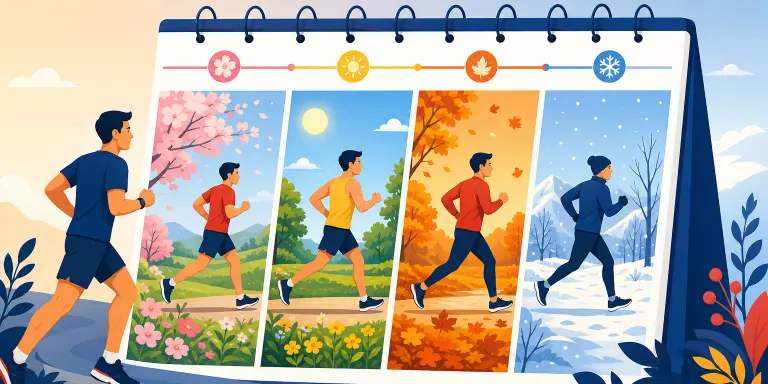
Why marathon season clusters in spring and autumn, how hemispheres shift the calendar, and how to align your target race with good conditions.