

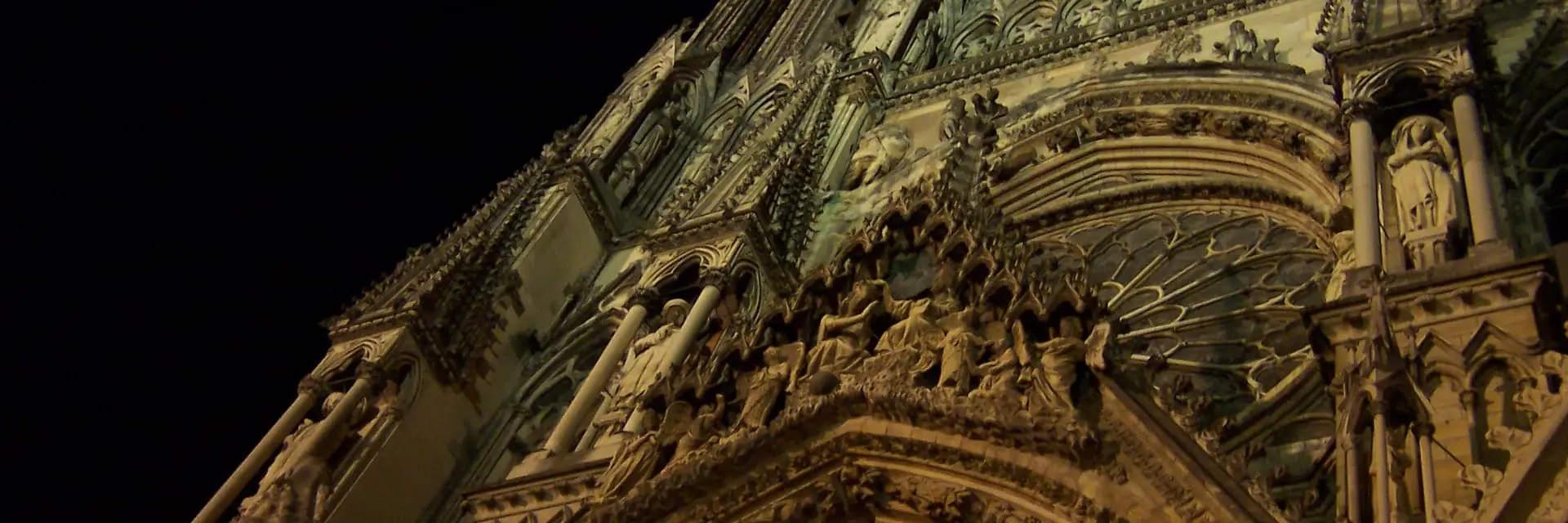
Paris Marathon
ParisÎle-de-FranceFrance
Next race
Sunday, 4 April 2027
8:30 am start
Distance
42.195 km / 26.2 mi
Urban road
Elevation
Rolling · 164 m gain
164 m climbing
Race profile
Overview
The Paris Marathon is one of the world's largest marathons, drawing approximately 54k finishers on an urban road in Paris, France. The course starts on the Champs-Élysées near the Arc de Triomphe and finishes on Avenue Foch. The route passes Place de la Bastille, Notre-Dame, the Louvre, and the Bois de Vincennes. Mostly flat with gentle undulations; no major hills or cobblestone sections.
Paris Marathon is a certified 42.195 km (26.2 mile) marathon — the standard World Athletics marathon distance.
- Typical participants
Approximately 54k finishers
- Weather
- Course records
- Men: 2:04:21 — Elisha Rotich (2021)Women: 2:18:33 — Shure Demise (2026)
Course & terrain
Paris Marathon course
Route map and elevation profile for race-week planning.
The Schneider Electric Marathon de Paris starts on the Champs-Élysées near the Arc de Triomphe and finishes on Avenue Foch, passing Bastille, Notre-Dame, the Louvre, the Seine embankment below the Eiffel Tower, and the Bois de Vincennes and Bois de Boulogne. The central Paris miles are the easiest because the course stays mostly flat, while the park sections are quieter and slightly more rolling. Spectators pack the Champs-Élysées at the start, line the Seine quays through the city centre, and cheer along the tree-lined Avenue Foch finish.
Paris Marathon route map
The Paris Marathon course is rolling over 42.195 km (26.2 miles). Runners cover 164 metres of climbing and 157 metres of descent, with a net climb of 7 metres from start to finish.
- Elevation
Rolling · 164 m gain — approx. 42 m above sea level
↑ 164 m · ↓ 157 m · net +7 m
Paris Marathon elevation chart
Registration
Paris Marathon entry requirements
Paris Marathon is one of the world's largest, with approximately 57,000 finishers — the largest marathon in continental Europe. Registration is not a lottery but first-come, first-served, opening in autumn for the following April race and selling out quickly, often within days. Charity places are available through official partner charities. The race weekend also includes a half marathon and relay event, and accommodation in central Paris fills up far in advance.
Getting there
Paris Marathon travel
Airports closest to Paris for flight planning and race-week travel.
- Closest airport
Paris (Orly, Val-de-Marne) (ORY)
Paris-Orly Airport
14 km / 9 mi
- Also nearby
Paris (Roissy-en-France, Val-d'Oise) (CDG)
Charles de Gaulle International Airport
23 km / 14 mi
Race footage
Paris Marathon videos
Race-day footage from the course to help you picture the route, crowds, and key landmarks on marathon day.
Schneider Electric Marathon de Paris (2024): fly over the marathon 3D course map!
Common questions
Frequently Asked Questions
- What is the Paris Marathon elevation profile?
- The Paris Marathon has 164 metres of total climbing and 157 metres of descent over 42.195 km (26.2 miles). The course is rolling, with 7 metres of net climb from start to finish.
- Where can I find the Paris Marathon route map?
- This page includes a Paris Marathon course map showing the full 42.195 km route from start to finish. Passes Place de la Bastille, Notre-Dame, the Louvre, and the Bois de Vincennes.
- How long is the Paris Marathon?
- The Paris Marathon is the standard marathon distance of 42.195 kilometres (26.2 miles), certified to World Athletics rules. From the Champs-Élysées near the Arc de Triomphe to on Avenue Foch.
- What time does the Paris Marathon start?
- The 2027 Paris Marathon starts at 8:30 am local time on Sunday, 4 April 2027. Arrive early for baggage drop and corral access — official race communications confirm any last-minute schedule changes.
- What is the Paris Marathon course route?
- The Schneider Electric Marathon de Paris starts on the Champs-Élysées near the Arc de Triomphe and finishes on the Avenue Foch in a near-loop. The course heads east through the Marais, past Place de la Bastille, into the Bois de Vincennes (a large eastern park providing a multi-loop woodland section, miles 7–14), then sweeps west along the Seine through central Paris — passing Notre-Dame Cathedral, the Musée d'Orsay, and under the Eiffel Tower — before looping through the Bois de Boulogne and returning east to finish.
- How large is the Paris Marathon and how do I enter?
- Paris Marathon is one of the world's largest, with approximately 57,000 finishers — the largest marathon in continental Europe. Registration is not a lottery but first-come, first-served, opening in autumn for the following April race and selling out quickly, often within days. Charity places are available through official partner charities. The race weekend also includes a half marathon and relay event, and accommodation in central Paris fills up far in advance.
- Is the Paris Marathon course flat?
- The course is largely flat to gently rolling, with total climbing of approximately 164 metres. The primary undulations come from the paths within Bois de Vincennes (miles 7–14) and Bois de Boulogne (miles 22–25), where terrain is slightly less even than city tarmac. The central Paris sections along the Seine are exceptionally flat. Overall it is a realistic personal-best course, though road surfaces in the parks can affect pacing.
- When is the Paris Marathon?
- Paris Marathon is held in April, typically on the second Sunday of the month. Spring in Paris brings variable conditions: average temperatures are 8–15 °C (46–59 °F), but sunny warm days and cold rainy mornings are both possible. The race's timing near the Easter holiday period means hotels fill extremely quickly — book accommodation immediately upon confirming race entry.
- What iconic landmarks does the Paris Marathon route pass?
- The course is arguably the most landmark-dense of any major marathon. Runners pass through or alongside: the Arc de Triomphe (start area), the Champs-Élysées, Place de la Bastille, the banks of the Seine (UNESCO World Heritage listed), Notre-Dame Cathedral, the Musée d'Orsay, the Eiffel Tower (viewed from Pont d'Iéna), and both the Bois de Vincennes and Bois de Boulogne. Running a personal best while navigating this gallery of world-famous sights is Paris's unique proposition.
Official resources
Paris Marathon links
Websites
Social Media
Last updated 11 October 2026. Edition dates and course details are reviewed regularly.
Close to this race
Nearby Marathons
Other races closest to Paris.
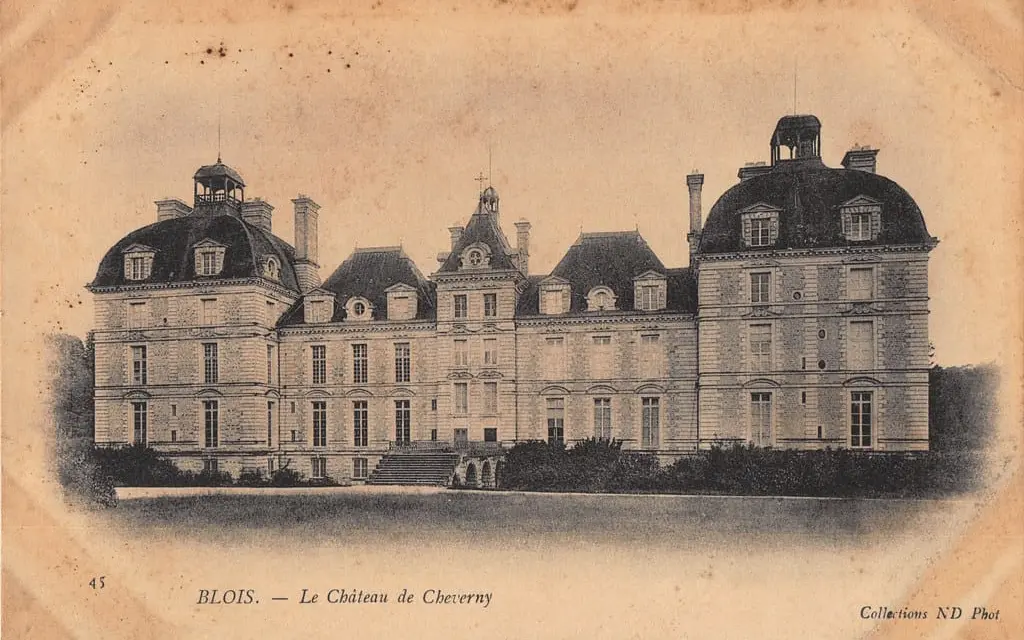
ChevernyCentre-Val de LoireFrance· 164 km away
Marathon de Cheverny
The Marathon de Cheverny draws approximately 1,500 finishers each April on a chateau and vineyard road in Cheverny, France. The chateau start makes the race feel distinctly Loire Valley from the first minutes. The route passes Loire chateau scenery, vineyards, and rural roads in a compact heritage setting. Gentle undulations are the only breaks on an otherwise flat profile.
Next race: Sunday, 4 April 2027
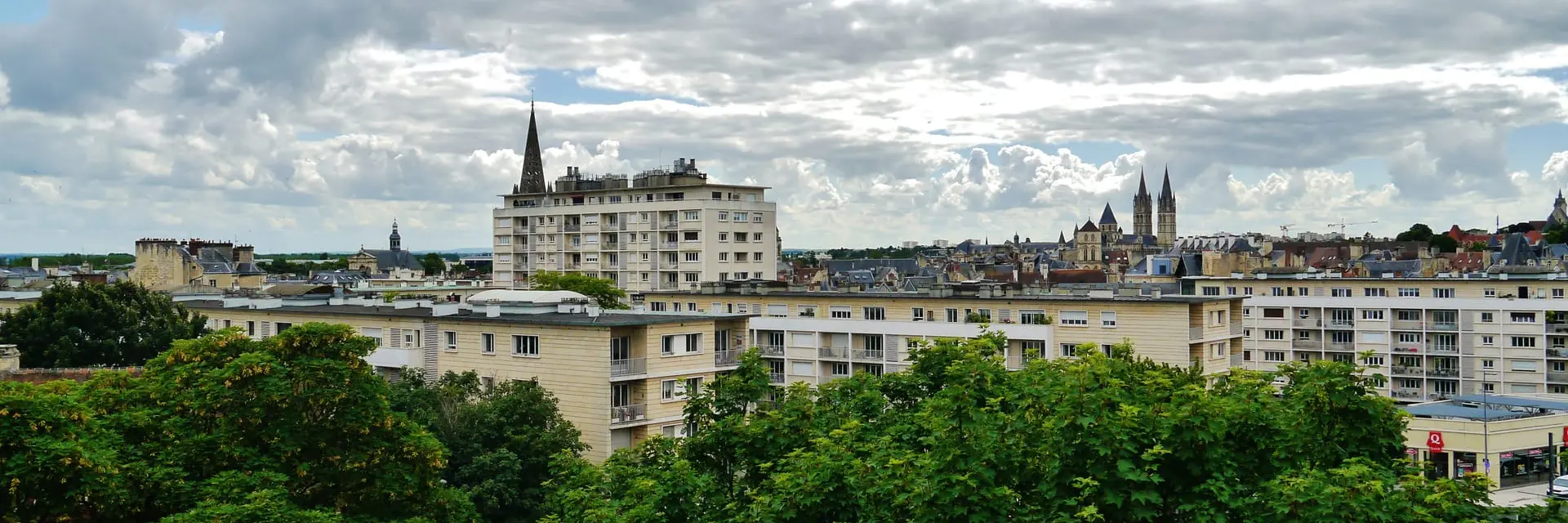
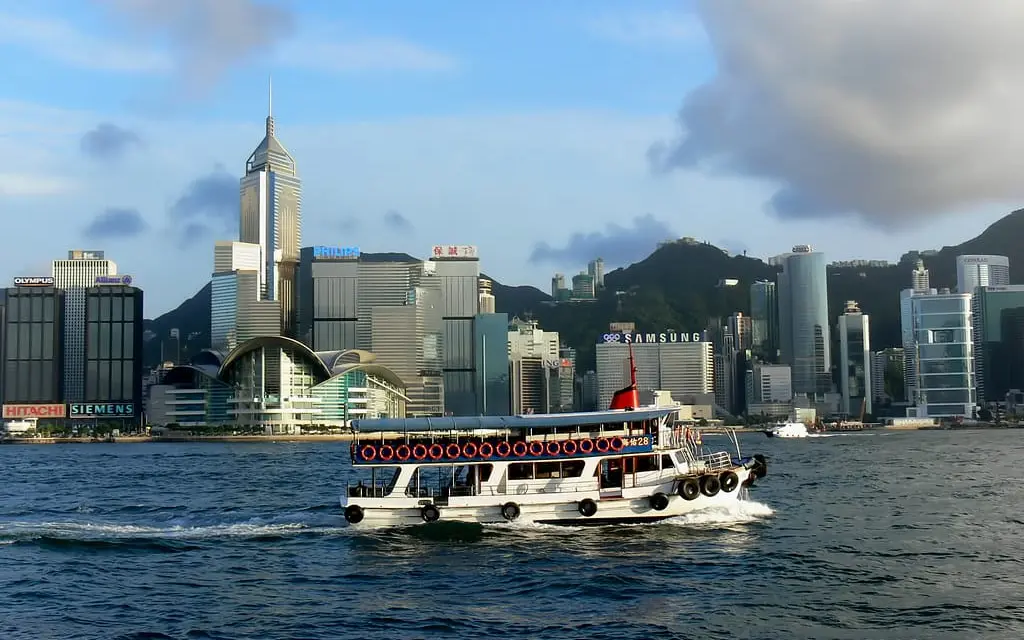
ToursCentre-Val de LoireFrance· 203 km away
Marathon de Tours
The Marathon de Tours draws approximately 1,800 finishers each September on an urban road in Tours, France. It offers classic French city scenery without the scale of Paris or Bordeaux. The route passes Loire-side roads, historic center streets, and elegant avenues in the Loire Valley city. Gentle undulations are the only breaks on an otherwise flat profile.
Next race: Sunday, 5 September 2027
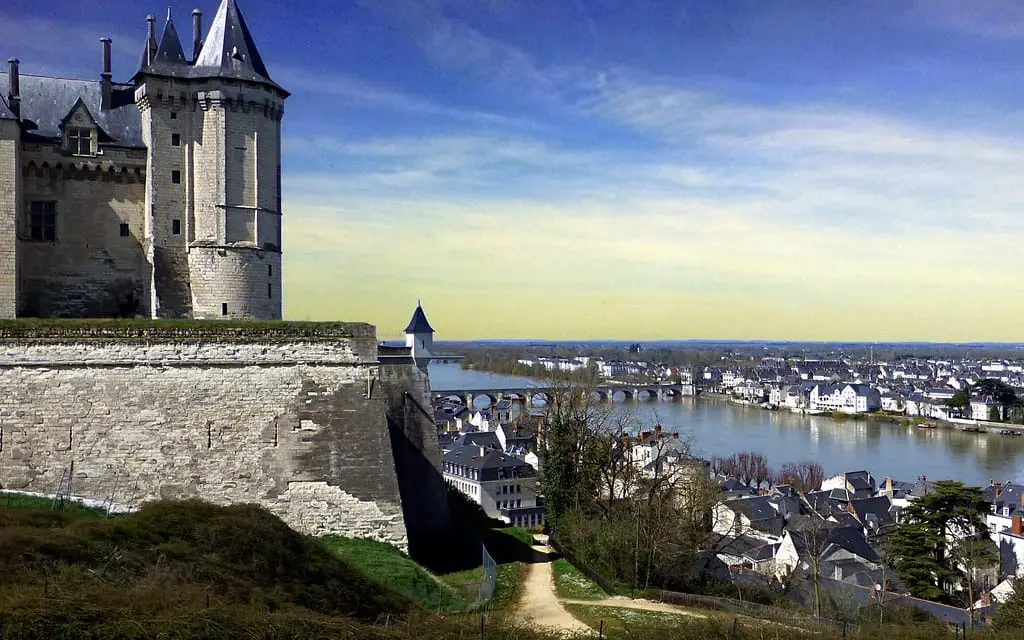
SaumurPays de la LoireFrance· 253 km away
Saumur Marathon de la Loire
The Saumur Marathon de la Loire follows the Loire Valley through the famous wine town of Saumur, drawing about 3,000 runners each May. The course passes the Château de Saumur, the Loire River, and the troglodyte cliff dwellings of the valley. May spring weather in the 'Garden of France' creates a scenic château-country marathon.
Next race: Sunday, 9 May 2027
Planning guides
Related guides
Practical guides to help you plan, train for, and run this race.

Marathon Course Profiles Explained
What flat, rolling, and hilly really mean — and how to read elevation gain, net change, and altitude on a marathon course.

Marathon Weather: What to Expect
How temperature, humidity, wind, and rain affect marathon performance — and how to use typical race-day weather when choosing a start line.

How to Choose a Marathon
Match a race to your goals — personal bests, sightseeing, atmosphere, or a major milestone — using course data and realistic expectations.