


How to Choose a Marathon
Match a race to your goals — personal bests, sightseeing, atmosphere, or a major milestone — using course data and realistic expectations.
Marathon guide
A practical framework for picking your debut 26.2 — course difficulty, field size, travel, and what actually matters on race day.
Your first marathon should feel achievable and memorable — not punishing. Before you chase a famous name, decide whether you want a flat, fast course; a scenic city tour; a smaller friendly field; or a big-event atmosphere with crowds on every corner. Browse marathons with course profiles, typical weather, and participant counts to compare races side by side.
For a debut 26.2, a flat or gently rolling course is usually the smarter choice. Steep or exposed courses — even famous ones — can turn a first marathon into a survival exercise. Read the elevation profile and total climbing before you commit.
Large races offer frequent aid stations, clear signage, and plenty of company when the miles get hard. Smaller events can feel more relaxed but may have fewer water stops or lonelier stretches. Check typical finisher counts on each marathon page to gauge the scale.
A local or regional race reduces stress: familiar food, easy transport, and no jet lag. If you do travel abroad, build in extra days for expo pickup, course reconnaissance, and sleep. Our race day checklist covers what to prepare before you fly.
Pick a month that suits your training cycle and tolerance for heat. Spring and autumn marathons dominate for good reason — cooler starts and more predictable conditions. See best time of year to run a marathon and filter the calendar by month once you have a target window.
Confirm how registration works before you book flights. Some races sell out in hours; others use a lottery or ballot. Factor in entry fee, travel, accommodation, and any charity minimum if applicable.
Shortlist three to five races, compare elevation and weather, then read the FAQs on each marathon page for entry rules and local tips. When you are ready, use how to choose a marathon to narrow your final pick by goal.
Planning guides
Match a race to your goals — personal bests, sightseeing, atmosphere, or a major milestone — using course data and realistic expectations.

What flat, rolling, and hilly really mean — and how to read elevation gain, net change, and altitude on a marathon course.
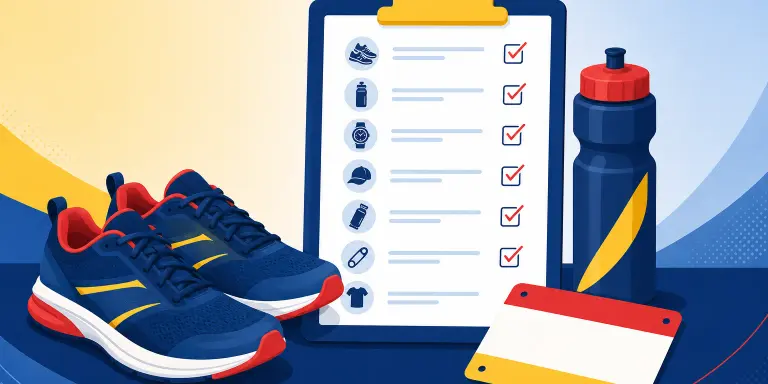
What to prepare the night before, what to bring to the start, and the small logistics that stop a good training block turning into a stressful morning.