
Next race
Sunday, 28 February 2027
9:15 am start
Distance
42.195 km / 26.2 mi
Urban road
Elevation
Flat · 21 m gain
21 m climbing
Race profile
Overview
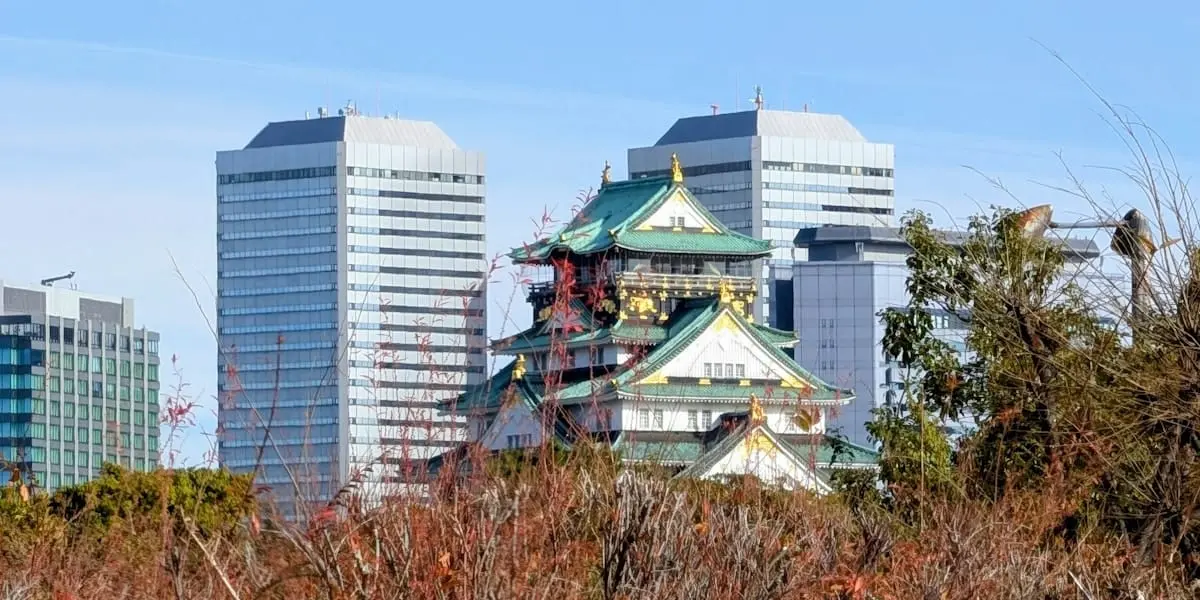
The Osaka Marathon is one of the world's largest marathons, drawing approximately 32k finishers on an urban road in Osaka, Japan. The course starts and finishes at Osaka Castle Park. The route passes Osaka Castle, Nakanoshima, Umeda, and Namba through central Osaka. Mostly flat with gentle undulations on bridge approaches over the city's rivers.
Osaka Marathon is a certified 42.195 km (26.2 mile) marathon — the standard World Athletics marathon distance.
- Typical participants
Approximately 32k finishers
- Weather
- Course records
- Men: 2:11:43 — Jackson Limo (2014)Women: 2:31:19 — Soud Kanbouchia (2018)
Course & terrain
Osaka Marathon course
Route map and elevation profile for race-week planning.
The Osaka Marathon is a city loop starting at Osaka Castle Park and finishing near Nagai Stadium, heading through the dense urban grid along Tanimachi and Sakaisuji, over Okawa River bridges, and through Namba. The route is mostly flat and easiest on the long city straights, while the bridge approaches add the tougher gentle rises; crowd support is strongest around Osaka Castle, through the Namba entertainment district, and at the finish.
Osaka Marathon route map
The Osaka Marathon course is flat over 42.195 km (26.2 miles). Runners cover 21 metres of climbing and 21 metres of descent, with minimal net elevation change from start to finish.
- Elevation
Registration
Osaka Marathon entry requirements
Osaka Marathon is held on the last Sunday of February each year. Registration is by lottery — applications open in summer and close within weeks. The field is approximately 32,000 runners. February in Osaka brings cool temperatures averaging 6–12 °C (43–54 °F), making it ideal racing weather. Because the lottery is competitive, international runners are advised to also consider official travel partners who sometimes offer guaranteed international entry packages.
Getting there
Osaka Marathon travel
Airports closest to Osaka for flight planning and race-week travel.
- Closest airport
Osaka Itami International Airport (ITM)
11 km / 7 mi
- Also nearby
Kobe (UKB)
Kobe Airport
26 km / 16 mi
Race footage
Osaka Marathon videos
Race-day footage from the course to help you picture the route, crowds, and key landmarks on marathon day.
OSAKA WONDER LOOP - INTRODUCTION
Common questions
Frequently Asked Questions
- What is the Osaka Marathon elevation profile?
- The Osaka Marathon has 21 metres of total climbing and 21 metres of descent over 42.195 km (26.2 miles). The course is flat, with 0 metres of net change from start to finish.
- Where can I find the Osaka Marathon route map?
- This page includes a Osaka Marathon course map showing the full 42.195 km route from start to finish. Passes Osaka Castle, Nakanoshima, Umeda, and Namba through central Osaka.
- How long is the Osaka Marathon?
- The Osaka Marathon is the standard marathon distance of 42.195 kilometres (26.2 miles), certified to World Athletics rules. Starts and finishes at Osaka Castle Park.
- Is the Osaka Marathon flat?
- Yes. The Osaka Marathon has 21 metres of total climbing over 42.195 km (26.2 miles) — less than 55 metres of gain — which suits runners chasing personal bests or Boston qualifying times.
- What time does the Osaka Marathon start?
- The 2027 Osaka Marathon starts at 9:15 am local time on Sunday, 28 February 2027. Arrive early for baggage drop and corral access — official race communications confirm any last-minute schedule changes.
- What is the Osaka Marathon course route?
- The Osaka Marathon starts at Osaka Castle Park (Osakajo Koen), one of Japan's most iconic landmarks, and heads south through the city's dense urban grid. The route passes along major thoroughfares including Tanimachi and Sakaisuji avenues, crosses several of Osaka's bridges spanning the Okawa River, loops through the Namba entertainment district and southern wards, and finishes near Nagai Stadium in the south of the city. The castle view at the start is the race's defining visual moment.
- When is the Osaka Marathon and how do I enter?
- Osaka Marathon is held on the last Sunday of February each year. Registration is by lottery — applications open in summer and close within weeks. The field is approximately 32,000 runners. February in Osaka brings cool temperatures averaging 6–12 °C (43–54 °F), making it ideal racing weather. Because the lottery is competitive, international runners are advised to also consider official travel partners who sometimes offer guaranteed international entry packages.
- How does Osaka Marathon compare to Tokyo Marathon?
- Both are major Japanese marathons with lottery entry and world-class organisation, but Osaka has a notably flatter course — total climbing of approximately 21 metres versus around 60 metres in Tokyo — making it marginally faster in profile. Osaka (late February) has a smaller international field than Tokyo (first Sunday of March, a WMM event), and has a stronger local Japanese character. Osaka's unique advantage is the Osaka Castle start, one of Japan's most spectacular race-start settings.
- What should international runners know about participating in Osaka?
- The official Osaka Marathon website and communications are primarily in Japanese, though an English-language section exists. International runners often use the same lottery as domestic runners, and some official travel agents provide English-language entry assistance. Post-race, Dotonbori — Osaka's famous riverside entertainment district featuring the giant illuminated Glico man sign — is just minutes from the course and provides one of Japan's best post-marathon celebration environments.
- What is Osaka known for as a destination city for runners?
- Osaka is Japan's food capital — locally nicknamed 'the nation's kitchen' (tenka no daidokoro). The city is famous for takoyaki (octopus balls), okonomiyaki (savoury pancakes), kushikatsu (skewered and breaded deep-fry), and ramen. Post-race carbohydrate loading in Dotonbori or Shinsekai is a highlight runners often cite as a reason to return. The city is also compact and easy to navigate by subway, with excellent transport links to Kyoto (15 minutes by Shinkansen) for pre- or post-race tourism.
Official resources
Osaka Marathon links
Websites
Social Media
Last updated 11 October 2026. Edition dates and course details are reviewed regularly.
Close to this race
Nearby Marathons
Other races closest to Osaka.
FukuchiyamaKyotoJapan· 76 km away
Fukuchiyama Marathon
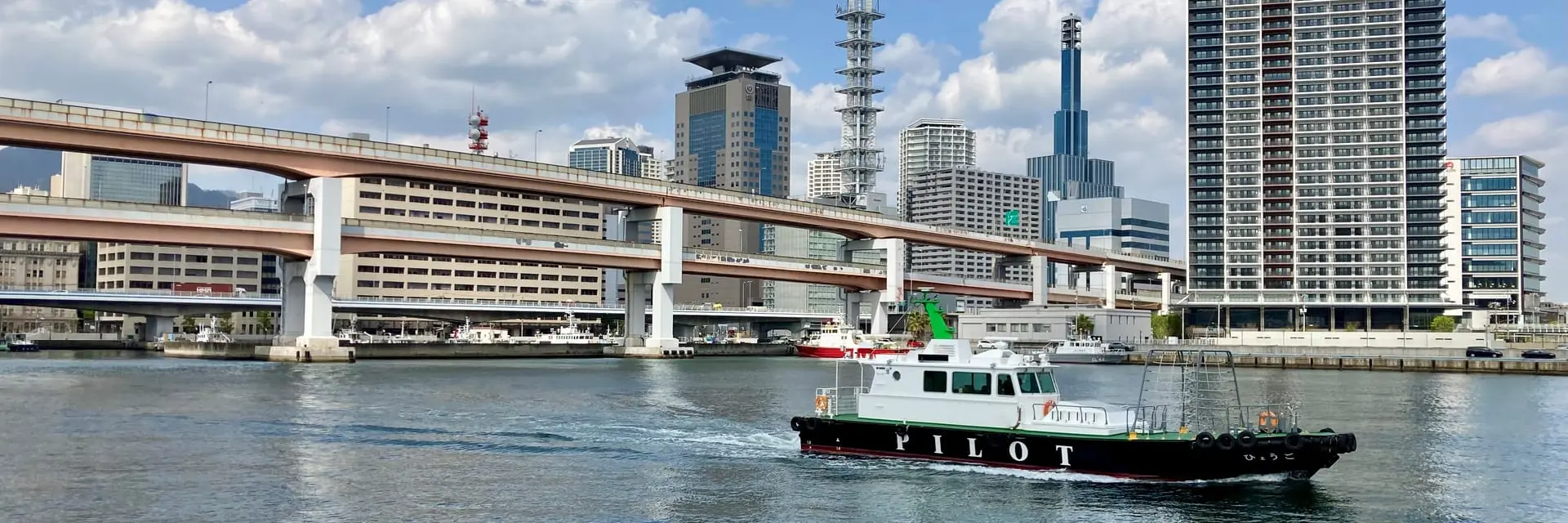
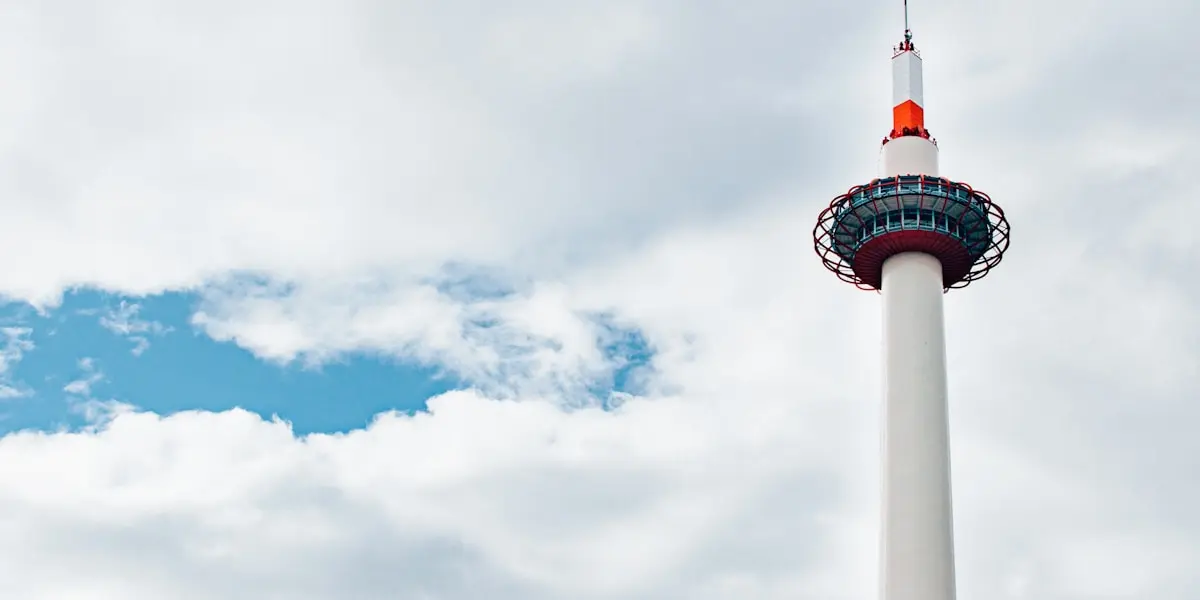
The Fukuchiyama Marathon draws approximately 4,000 finishers each November on a river city road in Fukuchiyama, Japan. The marathon has one of the deeper traditions among Japan's regional citizen races. The route passes castle-town streets, the Yura River corridor, and broad roads through northern Kyoto Prefecture. Gentle undulations are the only breaks on an otherwise flat profile.
Next race: Sunday, 22 November 2026
Planning guides
Related guides
Practical guides to help you plan, train for, and run this race.

Flat vs Hilly Marathons
When a flat course helps your time, when hills are worth the view, and how to pick terrain that fits your training and goals.

Marathon Entry: Lotteries, Ballots & Open Registration
How major marathons allocate places — open entry, lotteries, charity bibs, tour operators, and what to check before you commit to a trip.

Marathon Weather: What to Expect
How temperature, humidity, wind, and rain affect marathon performance — and how to use typical race-day weather when choosing a start line.