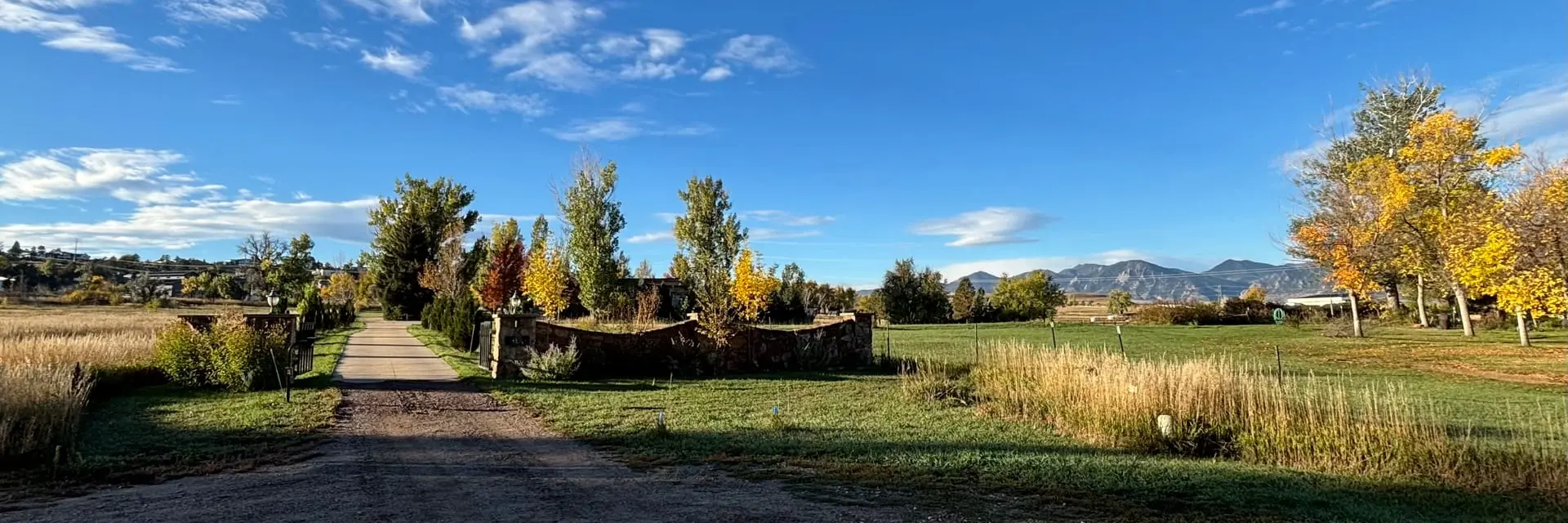
Colorado Marathon

Next race

Sunday, 2 May 2027

7:00 am start

Distance

42.195 km / 26.2 mi

Canyon point-to-point road

Elevation

Net downhill · 180 m gain

180 m climbing

Race profile

Overview

The Colorado Marathon draws approximately 1,800 finishers each May on a canyon point-to-point road in Fort Collins, United States. It delivers a scenic mountain-canyon descent without the extreme grade of some western downhill marathons. The course follows the Cache la Poudre River, red-rock canyon walls, and the approach into northern Colorado neighborhoods. The route is net downhill overall.

Colorado Marathon is a certified 42.195 km (26.2 mile) marathon — the standard World Athletics marathon distance.

Typical participants

Approximately 1,800 finishers

Weather

Cool to mild spring

8–14°C · humidity 45–70%

Marathon weather guide →

Course & terrain

Colorado Marathon course

Course route details and elevation profile for race-week planning.

Starts in Poudre Canyon and finishes in Fort Collins. The course follows the Cache la Poudre River, red-rock canyon walls, and the approach into northern Colorado neighborhoods. Moderate terrain throughout. The net descent rewards aggressive pacing but punishes the quads late.

Registration

Colorado Marathon entry requirements

The Colorado Marathon uses open online registration at comarathon.com with no ballot or qualifying time required. Sign-up for the May race typically opens the previous year and places are allocated first-come, first-served. Tiered pricing increases closer to race day, and charity bibs are available through partner organisations when general entry closes.

Getting there

Colorado Marathon travel

Airports closest to Fort Collins for flight planning and race-week travel.
Best for most flights

Denver (DEN)

Denver International Airport

88 km / 55 mi

Closest airport

Cheyenne (CYS)

Cheyenne Regional Jerry Olson Field

67 km / 42 mi

Common questions

Frequently Asked Questions

What is the Colorado Marathon elevation profile?
The Colorado Marathon has 180 metres of total climbing and 220 metres of descent over 42.195 km (26.2 miles). The course is net downhill, with 40 metres of net descent from start to finish.
How long is the Colorado Marathon?
The Colorado Marathon is the standard marathon distance of 42.195 kilometres (26.2 miles), certified to World Athletics rules. Canyon point-to-point road from Poudre Canyon to Fort Collins.
What time does the Colorado Marathon start?
The 2027 Colorado Marathon starts at 7:00 am local time on Sunday, 2 May 2027. Arrive early for baggage drop and corral access — official race communications confirm any last-minute schedule changes.
Where does the Colorado Marathon start and finish?
Starts in Poudre Canyon and finishes in Fort Collins. Updated each year.
When is the Colorado Marathon and how do I register?
Colorado Marathon is typically held in May. Registration opens may use a lottery or tiered entry when demand exceeds capacity.
Is the Colorado Marathon course flat?
The course includes net downhill then mostly flat. Study the official course profile at before setting pace targets.
What landmarks does the Colorado Marathon pass?
The course follows the Cache la Poudre River, red-rock canyon walls, and the approach into northern Colorado neighborhoods.
What weather should runners expect at Colorado Marathon?
Usually chilly at the mountain start with dry sunshine and warming air by the city finish.

Last updated 11 October 2026. Edition dates and course details are reviewed regularly.

Close to this race

Nearby Marathons

Other races closest to Fort Collins.

Boulderthon Marathon
Deadwood-Mickelson Trail Marathon

Find a Marathon →

Planning guides

Related guides

Practical guides to help you plan, train for, and run this race.

Marathon Weather: What to Expect

Marathon Weather: What to Expect

How temperature, humidity, wind, and rain affect marathon performance — and how to use typical race-day weather when choosing a start line.

How to Choose a Marathon

How to Choose a Marathon

Match a race to your goals — personal bests, sightseeing, atmosphere, or a major milestone — using course data and realistic expectations.

View all marathon guides →