- What is the Honolulu Marathon elevation profile?
- The Honolulu Marathon has 139 metres of total climbing and 138 metres of descent over 42.195 km (26.2 miles). The course is hilly with notable climbs, with 1 metres of net climb from start to finish.
- Where can I find the Honolulu Marathon route map?
- This page includes a Honolulu Marathon course map showing the full 42.195 km route from start to finish. The official course map is published at www.honolulumarathon.org/key-information/course-description. Follows the Kalanianaole Highway through Hawaii Kai with ocean views.
- How long is the Honolulu Marathon?
- The Honolulu Marathon is the standard marathon distance of 42.195 kilometres (26.2 miles), certified to World Athletics rules. Coastal course starting before dawn on Ala Moana Boulevard in Waikiki and finishes in Kapiolani Park near Diamond Head.
- What time does the Honolulu Marathon start?
- The 2026 Honolulu Marathon starts at 5:00 am local time on Sunday, 13 December 2026. Arrive early for baggage drop and corral access — official race communications on www.honolulumarathon.org/ confirm any last-minute schedule changes.
- What is the Honolulu Marathon's famous no-time-limit policy?
- Honolulu Marathon is one of the very few large marathons in the world with no official time limit. Runners, walkers, and participants of any pace are welcome to complete the course at their own speed, with aid stations remaining open until the last participant passes. Finish times of 7, 8, or even 9+ hours are officially recorded. This tradition — in place since the 1970s — has made Honolulu one of the world's most inclusive marathons, and a significant percentage of participants walk all or most of the course.
- What is the Honolulu Marathon course route?
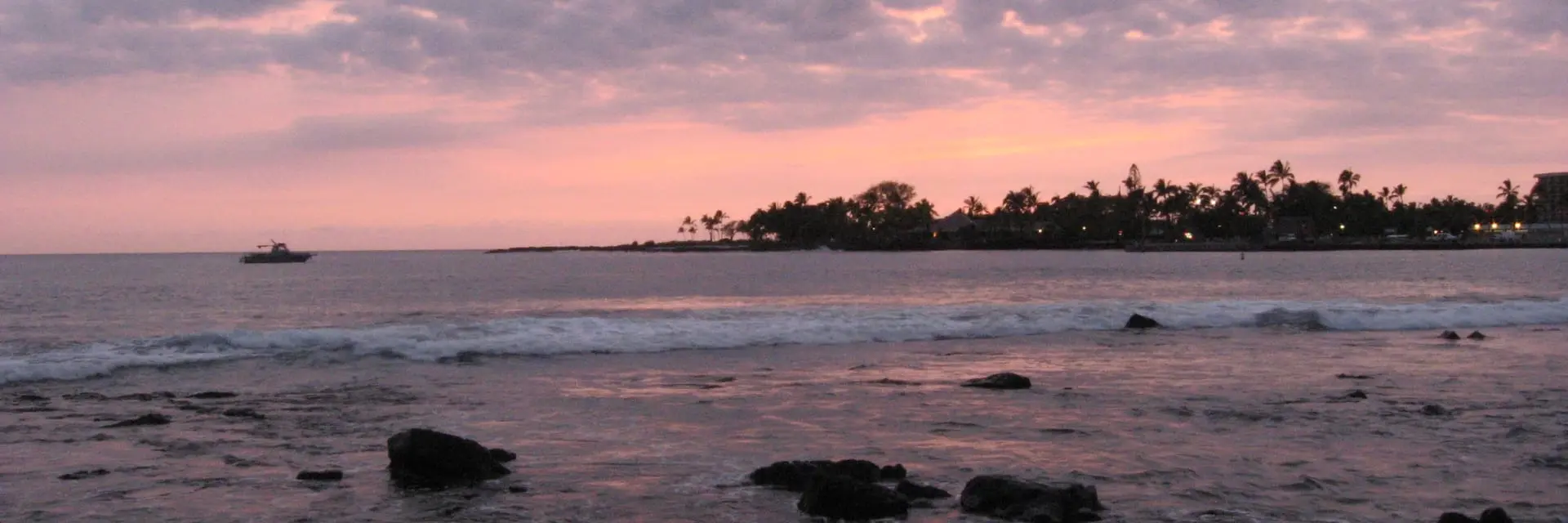
- The course starts near Aloha Tower in downtown Honolulu at 5:00 AM (an early start to avoid peak heat) and heads east along Ala Moana Boulevard. Runners pass Kapiolani Park, then climb the gradual slopes around Diamond Head — the iconic volcanic crater — before descending and heading further east along the Kahala coastal highway to Hawaii Kai. The turnaround sends runners back west through Kahala and Waikiki, finishing in Kapiolani Park in the shadow of Diamond Head. Watching the Pacific sunrise during the early miles is a defining experience.
- When is the Honolulu Marathon and what are the weather conditions?
- Honolulu Marathon is held on the second Sunday of December. Despite December being 'winter,' Honolulu's tropical climate means temperatures reach 24–28 °C (75–82 °F) by mid-morning with humidity above 70%. The 5:00 AM start partially mitigates the worst heat, but this remains significantly warmer and more humid than most major marathons. Aid stations are deployed every mile, medical staff are present in large numbers, and hydration must be treated as a primary priority from the first mile.
- Why is Honolulu Marathon so popular with Japanese runners?
- Honolulu Marathon is exceptionally popular with Japanese runners — historically over 10,000 Japanese participants in a single edition, making it the most popular international marathon destination for Japan. The no-time-limit policy (accommodating all paces), Hawaii's deep cultural connection with Japanese tourism, the December date (which falls during a Japanese holiday period), and the existence of official Japanese-language tour packages have combined to make Honolulu a natural fit for Japan's large and diverse running community.
- Is there a lottery or qualifying time required for Honolulu Marathon?
- No — Honolulu Marathon has open registration with no lottery and no qualifying time requirement. Anyone can register directly on the official website on a first-come, first-served basis. Due to the no-time-limit policy, Hawaii's destination appeal, and large Japanese participation, the race fills up well in advance. Entry fees increase in tiers as the race approaches. Multiple official travel packages (particularly from Japanese and international operators) include entry, flights, and hotel accommodation as combined packages.