

Next race
Sunday, 17 January 2027
9:00 am start
Distance
42.195 km / 26.2 mi
Scenic coastal road
Elevation
Rolling · 150 m gain
150 m climbing
Race profile
Overview
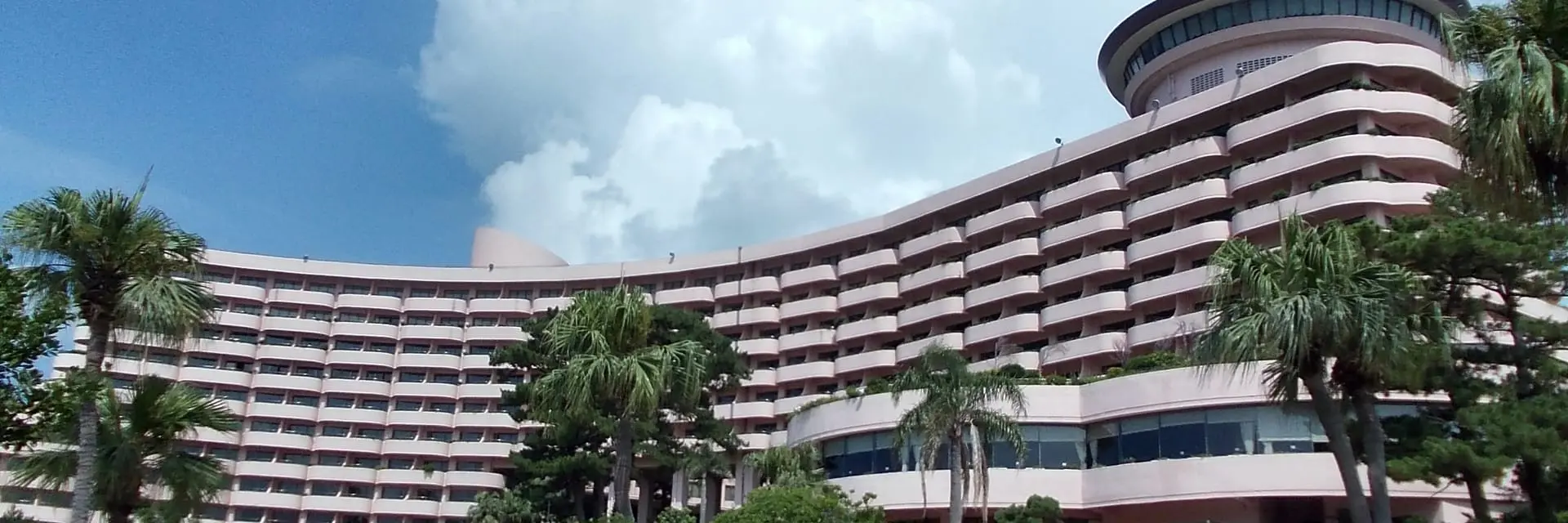
The Ibusuki Marathon in southern Kyushu attracts about 14,000 runners each January to a course along Kagoshima Bay with views of Sakurajima volcano. Ibusuki is famous for its natural hot-sand baths, and the marathon showcases the subtropical Satsuma Peninsula coastline. Warm winter temperatures and volcanic backdrop make it one of Japan's most distinctive regional marathons.
Ibusuki Marathon is a certified 42.195 km (26.2 mile) marathon — the standard World Athletics marathon distance.
- Typical participants
Approximately 14k finishers
- Weather
Course & terrain
Ibusuki Marathon course
Route map and elevation profile for race-week planning.
The Ibusuki Marathon is a coastal loop that starts and finishes in the Ibusuki onsen resort area on the Satsuma Peninsula, following Kagoshima Bay past hot-sand beaches with views of Sakurajima. The flatter bayside miles are easiest while the repeated coastal undulations are tougher, and spectators gather in the resort area, around the beach districts, and at scenic waterfront spots.
Ibusuki Marathon route map
The Ibusuki Marathon course is rolling over 42.195 km (26.2 miles). Runners cover 150 metres of climbing and 140 metres of descent, with a net climb of 10 metres from start to finish.
- Elevation
Rolling · 150 m gain — approx. 2 m above sea level
↑ 150 m · ↓ 140 m · net +10 m
Registration
Ibusuki Marathon entry requirements
The Ibusuki Marathon uses a lottery system through ibusuki-marathon.jp and RUNNET, with applications typically accepted in June or July for the January race in Kagoshima Prefecture. The scenic coastal course attracts strong domestic demand and acceptance is not guaranteed. International runners can access places through Run Japan or official travel packages.
Getting there
Ibusuki Marathon travel
Airports closest to Ibusuki for flight planning and race-week travel.
- Closest airport
Kagoshima (KOJ)
Kagoshima Airport
64 km / 40 mi
Race footage
Ibusuki Marathon videos
Race-day footage from the course to help you picture the route, crowds, and key landmarks on marathon day.
[Ibusuki Nanohana Marathon] Introducing tips for completing the race! Three points to keep in min...
Common questions
Frequently Asked Questions
- What is the Ibusuki Marathon elevation profile?
- The Ibusuki Marathon has 150 metres of total climbing and 140 metres of descent over 42.195 km (26.2 miles). The course is rolling, with 10 metres of net climb from start to finish.
- Where can I find the Ibusuki Marathon route map?
- This page includes a Ibusuki Marathon course map showing the full 42.195 km route from start to finish. The coastal loop follows Kagoshima Bay with views of Sakurajima volcano across the water, passing Ibusuki's hot-sand beach districts.
- How long is the Ibusuki Marathon?
- The Ibusuki Marathon is the standard marathon distance of 42.195 kilometres (26.2 miles), certified to World Athletics rules. Coastal course starting and finishing in the Ibusuki onsen resort area on the Satsuma Peninsula.
- What time does the Ibusuki Marathon start?
- The 2027 Ibusuki Marathon starts at 9:00 am local time on Sunday, 17 January 2027. Arrive early for baggage drop and corral access — official race communications confirm any last-minute schedule changes.
- Can you see Sakurajima volcano during the Ibusuki Marathon?
- Yes. The course along Kagoshima Bay offers views of Sakurajima, one of Japan's most active volcanoes, across the water. Clear January mornings provide the best visibility.
- What is special about Ibusuki?
- Ibusuki is renowned for natural hot-sand baths (sunamushi) where runners often recover post-race by being buried in warm volcanic sand.
- Where does the Ibusuki Marathon start?
- The race starts and finishes in the Ibusuki resort area on the southern Satsuma Peninsula.
- Is the Ibusuki Marathon flat?
- The coastal course has rolling undulations along Kagoshima Bay but no major mountain climbs. Warm humidity is a bigger factor than hills.
- How warm is the Ibusuki Marathon in January?
- January in Ibusuki is mild, often 12–18 °C (54–64 °F), warmer than most Japanese marathons. Southern Kyushu has a subtropical climate.
Official resources
Ibusuki Marathon links
Websites
Last updated 11 October 2026. Edition dates and course details are reviewed regularly.
Close to this race
Nearby Marathons
Other races closest to Ibusuki.
Planning guides
Related guides
Practical guides to help you plan, train for, and run this race.

Marathon Course Profiles Explained
What flat, rolling, and hilly really mean — and how to read elevation gain, net change, and altitude on a marathon course.

Marathon Entry: Lotteries, Ballots & Open Registration
How major marathons allocate places — open entry, lotteries, charity bibs, tour operators, and what to check before you commit to a trip.

Marathon Weather: What to Expect
How temperature, humidity, wind, and rain affect marathon performance — and how to use typical race-day weather when choosing a start line.