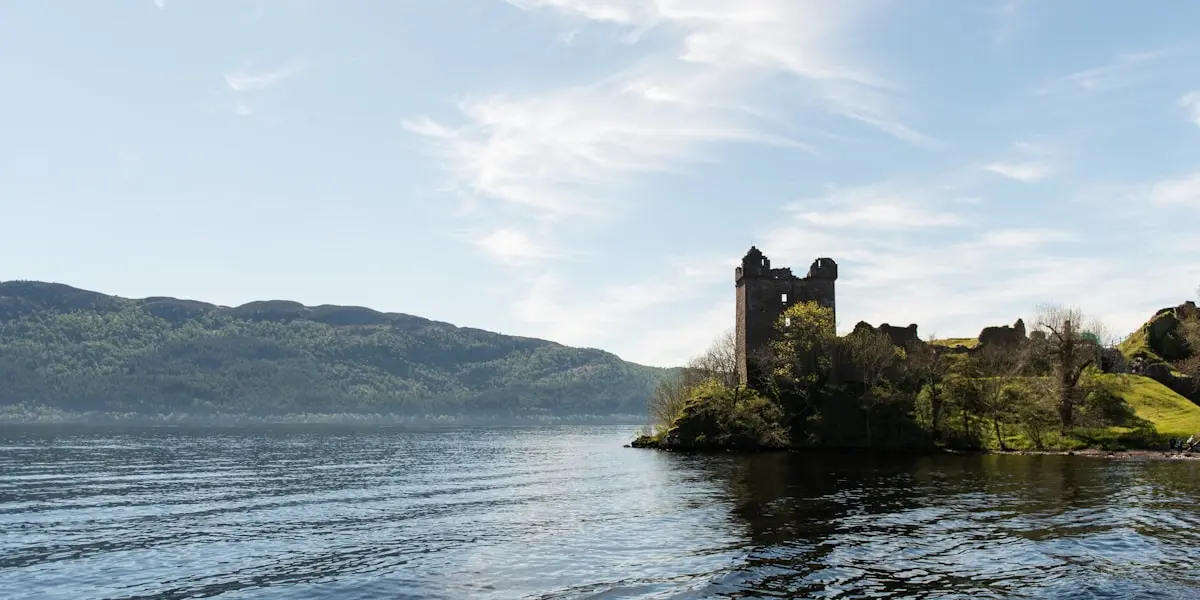

Loch Ness Marathon

Next race

Sunday, 26 September 2027

10:00 am start

Distance

42.195 km / 26.2 mi

Point-to-point scenic road

Elevation

Net downhill · 310 m gain

310 m climbing

Race profile

Overview

The Loch Ness Marathon draws approximately 2,500 finishers each September on a point-to-point scenic road in Inverness, United Kingdom. The point-to-point Highlands scenery is the race's defining draw. The course passes long stretches beside Loch Ness, Highland moorland, and the river approach into Inverness. Rolling terrain with moderate climbs shapes the middle miles.

Loch Ness Marathon is a certified 42.195 km (26.2 mile) marathon — the standard World Athletics marathon distance.

Typical participants

Approximately 2,500 finishers

Weather

Cool to mild and humid autumn

12–15°C · humidity 75–85%

Marathon weather guide →

Course records
Men: 2:19:26 — Moray Pryde (2024)Women: 2:42:04 — Katie White (2019)

Course & terrain

Loch Ness Marathon course

Course route details and elevation profile for race-week planning.

Starts near Fort Augustus and finishes in Inverness. The course passes long stretches beside Loch Ness, Highland moorland, and the river approach into Inverness. Rolling terrain with moderate climbs. Rolling terrain with moderate climbs shapes the middle miles.

Registration

Loch Ness Marathon entry requirements

The Loch Ness Marathon uses open online registration at lochnessmarathon.com with no ballot or qualifying time for the general field. Sign-up for the September race typically opens the previous year and places are allocated first-come, first-served. The event routinely sells out given strong demand, so early registration is advisable.

Getting there

Loch Ness Marathon travel

Airports closest to Inverness for flight planning and race-week travel.
Closest airport

Inverness, Highland (INV)

Inverness Airport

13 km / 8 mi

Common questions

Frequently Asked Questions

What is the Loch Ness Marathon elevation profile?
The Loch Ness Marathon has 310 metres of total climbing and 614 metres of descent over 42.195 km (26.2 miles). The course is net downhill, with 304 metres of net descent from start to finish.
How long is the Loch Ness Marathon?
The Loch Ness Marathon is the standard marathon distance of 42.195 kilometres (26.2 miles), certified to World Athletics rules. Point-to-point scenic road starts near Fort Augustus and finishes in Inverness.
What time does the Loch Ness Marathon start?
The 2027 Loch Ness Marathon starts at 10:00 am local time on Sunday, 26 September 2027. Arrive early for baggage drop and corral access — official race communications confirm any last-minute schedule changes.
Where does the Loch Ness Marathon start and finish?
Starts near Fort Augustus and finishes in Inverness. Updated each year.
When is the Loch Ness Marathon and how do I register?
Loch Ness Marathon is typically held in September. Registration opens may use a lottery or tiered entry when demand exceeds capacity.
Is the Loch Ness Marathon course flat?
The course includes rolling with moderate climbs. Study the official course profile at before setting pace targets.
What landmarks does the Loch Ness Marathon pass?
The course passes long stretches beside Loch Ness, Highland moorland, and the river approach into Inverness.
What weather should runners expect at Loch Ness Marathon?
Usually cool with light wind and a real chance of rain or low cloud.

Last updated 11 October 2026. Edition dates and course details are reviewed regularly.

Close to this race

Nearby Marathons

Other races closest to Inverness.

Rob Burrow Leeds Marathon
Dublin Marathon

Find a Marathon →

Planning guides

Related guides

Practical guides to help you plan, train for, and run this race.

Marathon Weather: What to Expect

Marathon Weather: What to Expect

How temperature, humidity, wind, and rain affect marathon performance — and how to use typical race-day weather when choosing a start line.

How to Choose a Marathon

How to Choose a Marathon

Match a race to your goals — personal bests, sightseeing, atmosphere, or a major milestone — using course data and realistic expectations.

View all marathon guides →