
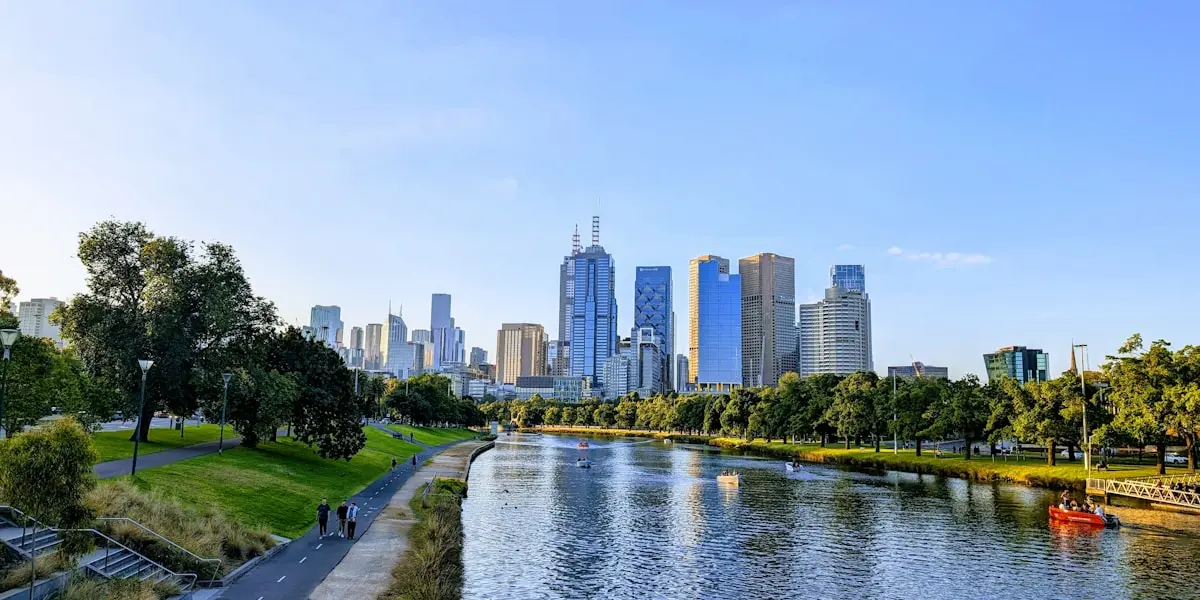

Next race
Sunday, 11 October 2026
6:15 am start
Distance
42.195 km / 26.2 mi
Urban road
Elevation
Rolling · 135 m gain
135 m climbing
Race profile
Overview
The Melbourne Marathon draws approximately 6,000 finishers on an urban road in Melbourne, Australia. The course starts on Batman Avenue (near Rod Laver Arena) and finishes at the MCG. The 2026 redesigned loop passes Federation Square, the Yarra River, St Kilda foreshore, and Albert Park on a faster, flatter profile (Beach Road reversed; Birdwood Ave–Domain Rd climb removed). Mostly flat with gentle undulations on Yarra bridge crossings.
Melbourne Marathon is a certified 42.195 km (26.2 mile) marathon — the standard World Athletics marathon distance.
- Typical participants
Approximately 6,000 finishers
- Weather
- Course records
- Men: 2:09:10 — Eliud Kipchoge (2026)Women: 2:25:19 — Sinead Diver (2018)
Course & terrain
Melbourne Marathon course
Route map and elevation profile for race-week planning.
The Melbourne Marathon is a city loop starting on Batman Avenue near Rod Laver Arena and finishing at the Melbourne Cricket Ground (MCG), passing Federation Square, the Yarra River, Saint Kilda foreshore, and Albert Park. The 2026 Nike Melbourne Marathon Festival course is redesigned for a faster, flatter profile: Beach Road direction is reversed, the Birdwood Avenue–Domain Road climb is removed, and runners retain the Albert Park and St Kilda foreshore scenery with a continuous approach to the MCG finish. The Yarra and Albert Park sections are the easiest because they stay relatively flat and scenic, while any remaining bridge approaches are the tougher links between districts; spectator support peaks at the MCG finish, around Federation Square, and along the Saint Kilda and Albert Park stretches.
Melbourne Marathon route map
The Melbourne Marathon course is rolling over 42.195 km (26.2 miles). Runners cover 135 metres of climbing and 132 metres of descent, with a net climb of 3 metres from start to finish.
- Elevation
Rolling · 135 m gain — approx. 25 m above sea level
↑ 135 m · ↓ 132 m · net +3 m
Registration
Melbourne Marathon entry requirements
For the Melbourne Marathon, yes. The flat course combined with October's mild spring temperatures — typically 10–18 °C — creates ideal conditions for fast times, and the race is a certified road race accepted for BAA Boston Qualifying purposes.
Getting there
Melbourne Marathon travel
Airports closest to Melbourne for flight planning and race-week travel.
- Best for most flights
Melbourne Airport (MEL)
19 km / 12 mi
- Closest airport
Essendon Fields (MEB)
Melbourne Essendon Airport
11 km / 7 mi
Race footage
Melbourne Marathon videos
Race-day footage from the course to help you picture the route, crowds, and key landmarks on marathon day.
2024 Nike Melbourne Marathon Course Flyover
Common questions
Frequently Asked Questions
- What is the Melbourne Marathon elevation profile?
- The Melbourne Marathon has 135 metres of total climbing and 132 metres of descent over 42.195 km (26.2 miles). The course is rolling, with 3 metres of net climb from start to finish.
- Where can I find the Melbourne Marathon route map?
- This page includes a Melbourne Marathon course map showing the full 42.195 km route from start to finish. The 2026 redesigned loop passes Federation Square, the Yarra River, St Kilda foreshore, and Albert Park on a faster, flatter profile (Beach Road reversed; Birdwood Ave–Domain Rd climb removed).
- How long is the Melbourne Marathon?
- The Melbourne Marathon is the standard marathon distance of 42.195 kilometres (26.2 miles), certified to World Athletics rules. From Batman Avenue (near Rod Laver Arena) to the MCG.
- What time does the Melbourne Marathon start?
- The 2026 Melbourne Marathon starts at 6:15 am local time on Sunday, 11 October 2026. Arrive early for baggage drop and corral access — official race communications confirm any last-minute schedule changes.
- Does the Melbourne Marathon finish inside the MCG?
- Yes. Finishing on the hallowed turf of the Melbourne Cricket Ground (MCG) is one of the race's most memorable experiences — runners enter through the players' race-day tunnel and cross the line in front of thousands of cheering spectators.
- Is the Melbourne Marathon Australia's second-largest marathon?
- Yes. The Melbourne Marathon is consistently ranked as Australia's second-largest marathon by finisher numbers, drawing over 6,000 marathon runners and tens of thousands of participants across all distances on race day.
- Is the Melbourne Marathon course flat and fast?
- Melbourne's course is among the flattest of any major Australian city marathon, with only around 135 metres of total climbing. The largely flat roads around the CBD and bayside suburbs make it well-suited to runners chasing personal bests.
- What iconic landmarks does the Melbourne Marathon route pass?
- The course takes runners past Federation Square, the Royal Botanic Gardens, St Kilda Road, and along the Yarra River before the iconic MCG stadium finish — offering a genuine tour of Melbourne's most celebrated sites.
- Is the Melbourne Marathon a good race for a Boston Qualifying time?
- Yes. The flat course combined with October's mild spring temperatures — typically 10–18 °C — creates ideal conditions for fast times, and the race is a certified road race accepted for BAA Boston Qualifying purposes.
Official resources
Melbourne Marathon links
Websites
Social Media
Last updated 11 October 2026. Edition dates and course details are reviewed regularly.
Close to this race
Nearby Marathons
Other races closest to Melbourne.
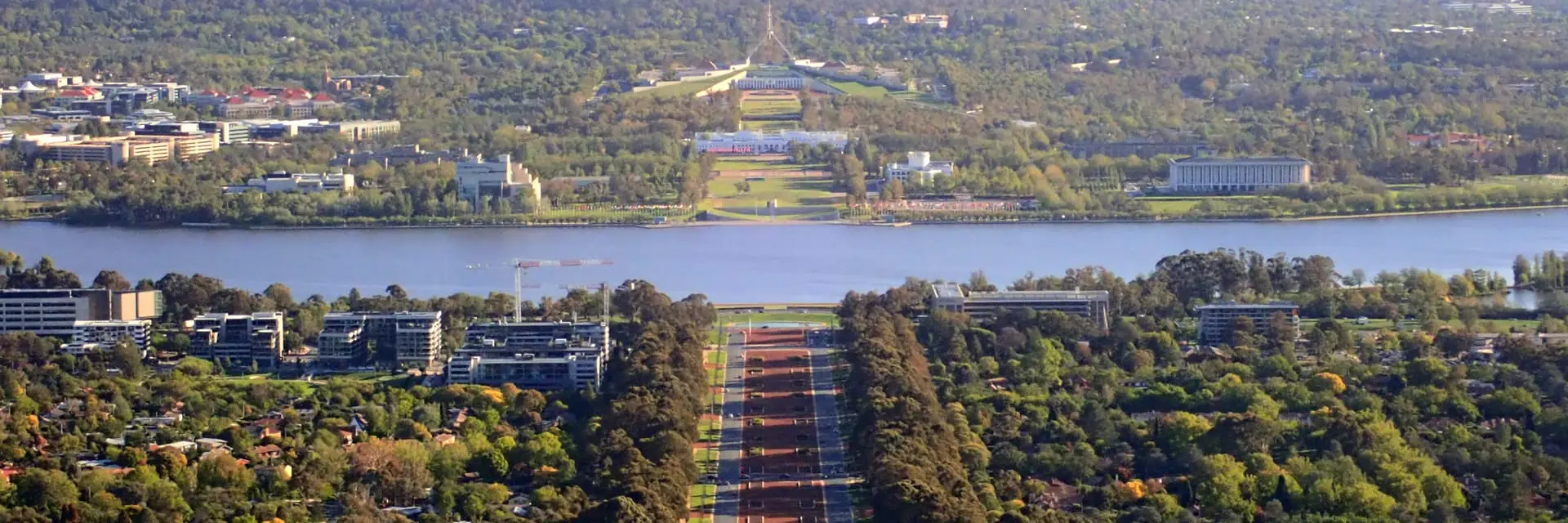
CanberraAustralian Capital TerritoryAustralia· 466 km away
Canberra Marathon
The Canberra Marathon is Australia's capital city marathon, drawing about 2,000 finishers each April around Lake Burley Griffin. The course passes Parliament House, the Australian War Memorial, and the lake's scenic shores. April autumn weather in the bush capital and a flat lake loop make it the ACT's premier marathon.
Next race: Sunday, 11 April 2027
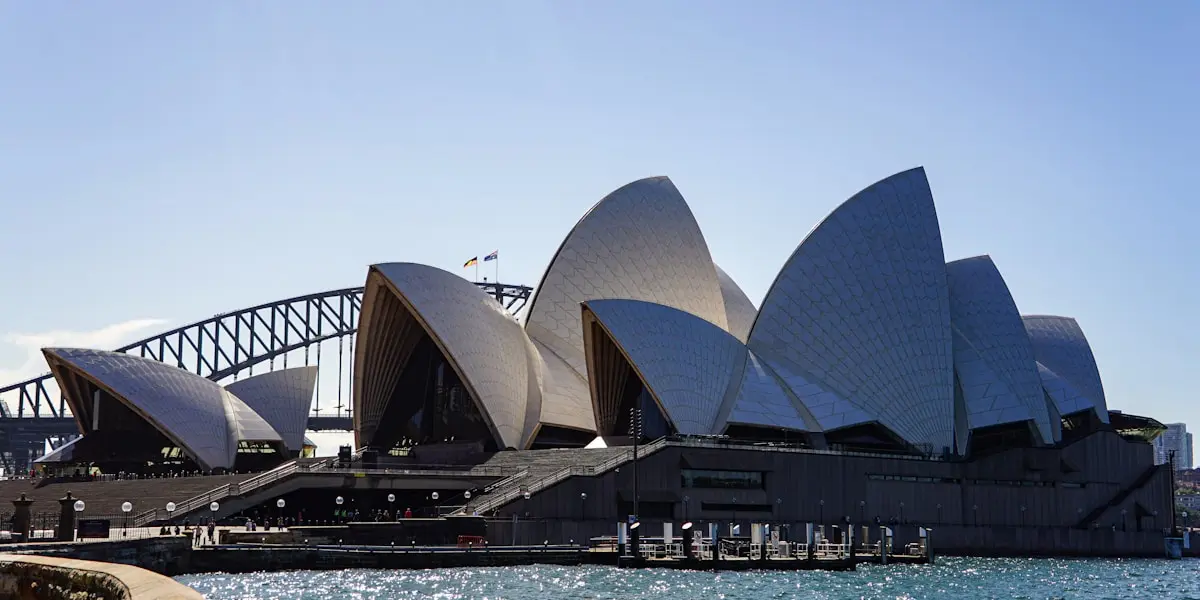
SydneyNew South WalesAustralia· 713 km away
Sydney Marathon
The Sydney Marathon offers one of the most scenic marathon courses in the world, crossing the Sydney Harbour Bridge with views of the Opera House and harbour. As the seventh Abbott World Marathon Major, Sydney combines iconic landmarks with a challenging but rewarding course through Australia's largest city.
Next race: Sunday, 29 August 2027
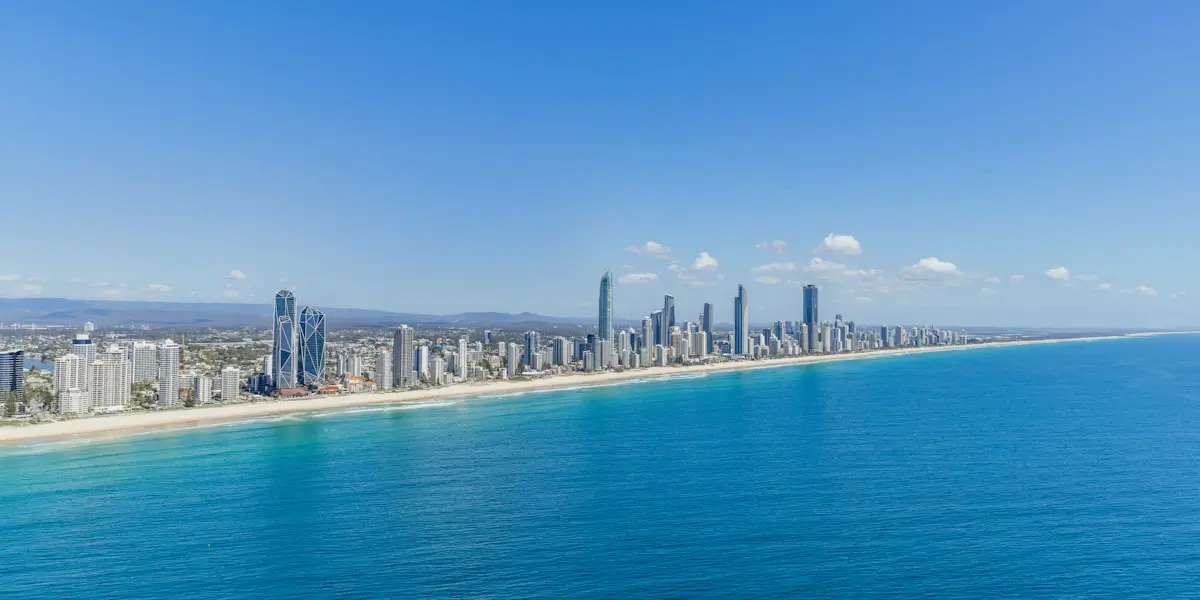
Gold CoastQueenslandAustralia· 1,346 km away
Gold Coast Marathon
The Gold Coast Marathon draws approximately 6,500 finishers on a scenic coastal road in Gold Coast, Australia. The course starts and finishes at Southport Broadwater Parklands. Very flat and fast, with no significant hills.
Next race: Sunday, 4 July 2027
BrisbaneQueenslandAustralia· 1,375 km away
Brisbane Marathon
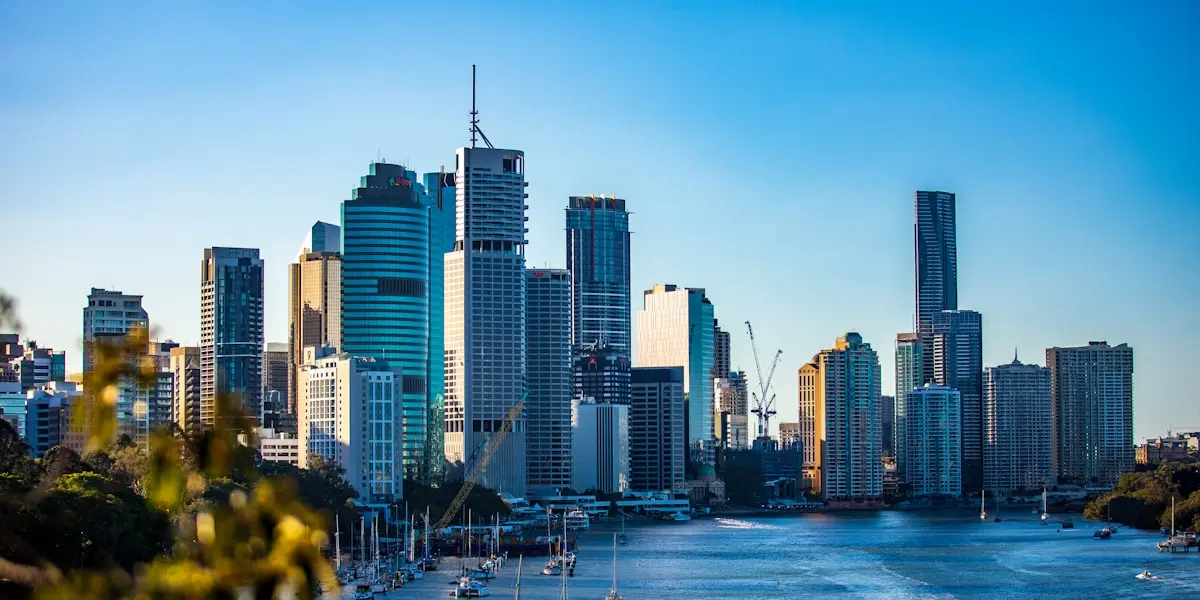
The Brisbane Marathon draws approximately 5,500 finishers on an urban road in Brisbane, Australia. The course starts and finishes at South Bank Parklands. The route crosses the Story Bridge, passes the Kangaroo Point cliffs, and follows the Brisbane River. Mostly flat with a climb on the Story Bridge.
Next race: Sunday, 6 June 2027

MooloolabaQueenslandAustralia· 1,455 km away
Sunshine Coast Marathon
The Sunshine Coast Marathon at Mooloolaba draws about 8,000 finishers each August on a fast, flat coastal course along Queensland's Sunshine Coast. The route follows the Alexandra Headland and Mooloolaba Beach esplanade with Pacific Ocean views. August dry winter weather and a flat beachfront profile make it one of Australia's fastest marathons.
Next race: Sunday, 1 August 2027
Planning guides
Related guides
Practical guides to help you plan, train for, and run this race.

Marathon Course Profiles Explained
What flat, rolling, and hilly really mean — and how to read elevation gain, net change, and altitude on a marathon course.

Marathon Weather: What to Expect
How temperature, humidity, wind, and rain affect marathon performance — and how to use typical race-day weather when choosing a start line.

How to Choose a Marathon
Match a race to your goals — personal bests, sightseeing, atmosphere, or a major milestone — using course data and realistic expectations.