
Mexico City Marathon
Mexico CityMexico
Next race
Sunday, 29 August 2027
7:00 am start
Distance
42.195 km / 26.2 mi
Urban road
Elevation
Downhill · 187 m gain
187 m climbing
Race profile
Overview
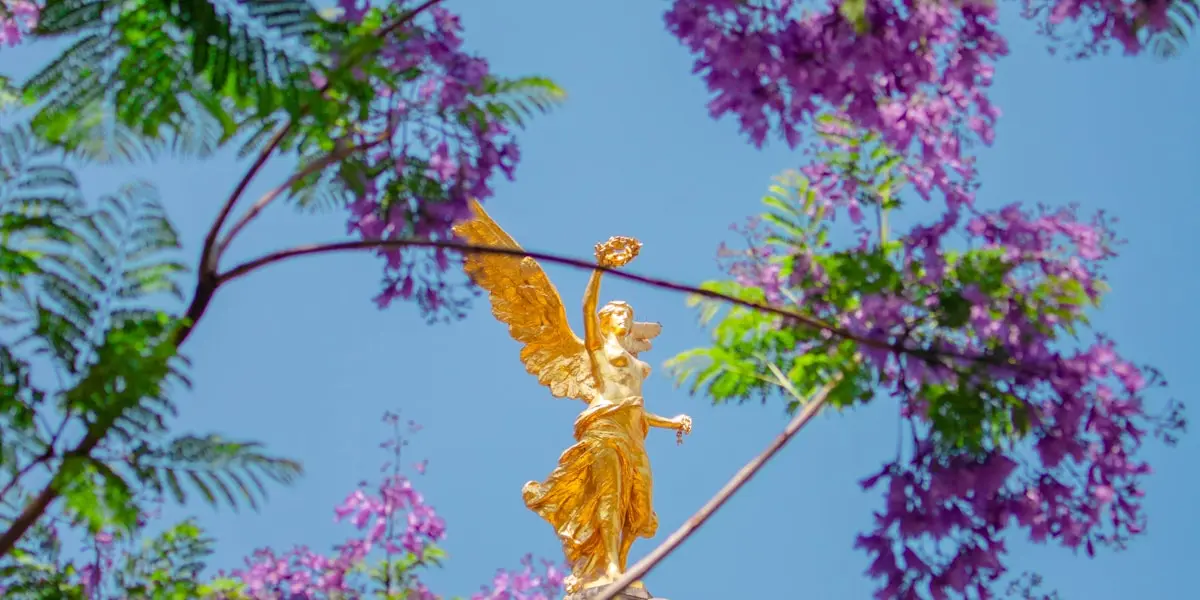
The Mexico City Marathon is one of the world's largest marathons, drawing approximately 11k finishers on an urban road in Mexico City, Mexico. The course starts and finishes at the Zócalo. The route passes Chapultepec Park, Paseo de la Reforma, and the Angel of Independence. Mostly flat at high altitude (2,200 m), with gentle undulations on Reforma.
- Typical participants
Approximately 11k finishers
- Weather
- Course records
- Men: 2:08:23 — Héctor Garibay (2023)Women: 2:25:05 — Amane Beriso Shankule (2022)
Course & terrain
Mexico City Marathon course
The Mexico City Marathon is a high-altitude city loop starting and finishing at the Zócalo, passing Chapultepec Park, Paseo de la Reforma, and the Angel of Independence. The broad Reforma straights are the easiest places to settle into rhythm, while the altitude and the minor rises around Chapultepec are the tougher challenge; crowds are loudest at the Zócalo, along Reforma, and around the Angel.
Mexico City Marathon route map
- Elevation
Downhill · 187 m gain — approx. 2,240 m above sea level
↑ 187 m · ↓ 243 m · net −56 m
Registration
Mexico City Marathon entry requirements
For the Mexico City Marathon, the marathon is organised by the Mexico City government (CDMX) and registration is managed through the official website. Entry fees are very affordable by international standards, making it one of the most accessible major city marathons in the Americas.
Flights and accommodation
Mexico City Marathon travel
Flights to Mexico City
Airports closest to Mexico City for flight planning and race-week travel.
- Closest airport
Mexico City Benito Juárez International Airport (MEX)
6 km / 4 mi
Book flights to Mexico City Benito Juárez International Airport
Hotels in Mexico City
Ad · We earn a commission if you book through these links, at no cost to you.
Race footage
Mexico City Marathon videos
Race-day footage from the course to help you picture the route, crowds, and key landmarks on marathon day.
Course Preview: 2026 BBVA Mexico City Half Marathon Route
Common questions
Frequently Asked Questions
- How does Mexico City's high altitude affect marathon performance?
- Mexico City sits at approximately 2,240 metres (7,350 ft) above sea level — higher than the Himalayas' lower foothills. The reduced oxygen at altitude makes running harder, and most runners should expect times 3–8% slower than at sea level. Acclimatising for several days before the race is strongly recommended.
- Does the Mexico City Marathon run along Paseo de la Reforma?
- Yes. The iconic Paseo de la Reforma — Mexico City's grand tree-lined boulevard inspired by Paris's Champs-Élysées — is the backbone of the course. Runners also pass Chapultepec Castle, the Angel of Independence monument, and the historic Zócalo central square.
- When is the Mexico City Marathon held?
- The Maratón CDMX is typically held on the last Sunday of August. Late August in Mexico City brings warm temperatures (20–26 °C) and the possibility of afternoon showers; the early morning start mitigates much of the heat.
- Is the Mexico City Marathon course flat despite the altitude?
- The course is mostly flat with gentle undulations and a net elevation drop of about 56 metres, which partially compensates for the altitude effect. The course is certified by World Athletics, and world-class Kenyan and Ethiopian athletes regularly compete.
- How do I enter the Mexico City Marathon?
- The marathon is organised by the Mexico City government (CDMX) and registration is managed Entry fees are very affordable by international standards, making it one of the most accessible major city marathons in the Americas.
Official resources
Mexico City Marathon links
Websites
If you see something that looks out of date, please send us a note. Last reviewed 11 October 2026.
Close to this race
Nearby Marathons
Other races closest to Mexico City.

Planning guides
Related guides
Practical guides to help you plan, train for, and run this race.
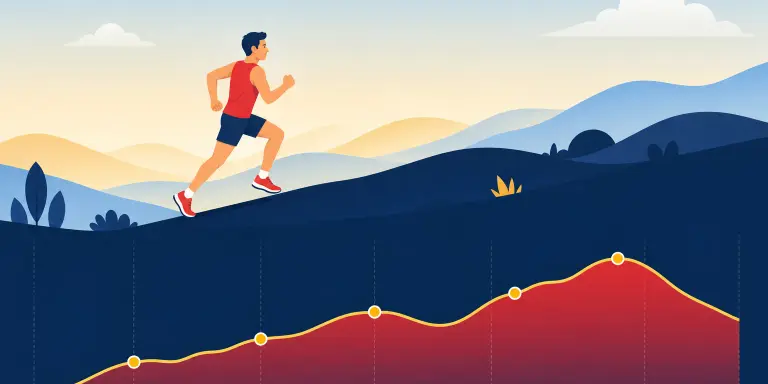
Marathon Course Profiles Explained
What flat, rolling, and hilly really mean — and how to read elevation gain, net change, and altitude on a marathon course.

Marathon Weather: What to Expect
How temperature, humidity, wind, and rain affect marathon performance — and how to use typical race-day weather when choosing a start line.

How to Choose a Marathon
Pick a race that fits your goal — a PB, a city weekend, atmosphere, or a major — using course data and honest expectations.