Pohang Marathon

Next race

Sunday, 25 October 2026

8:00 am start

Distance

42.195 km / 26.2 mi

Scenic coastal road

Elevation

Rolling · 100 m gain

100 m climbing

Race profile

Overview

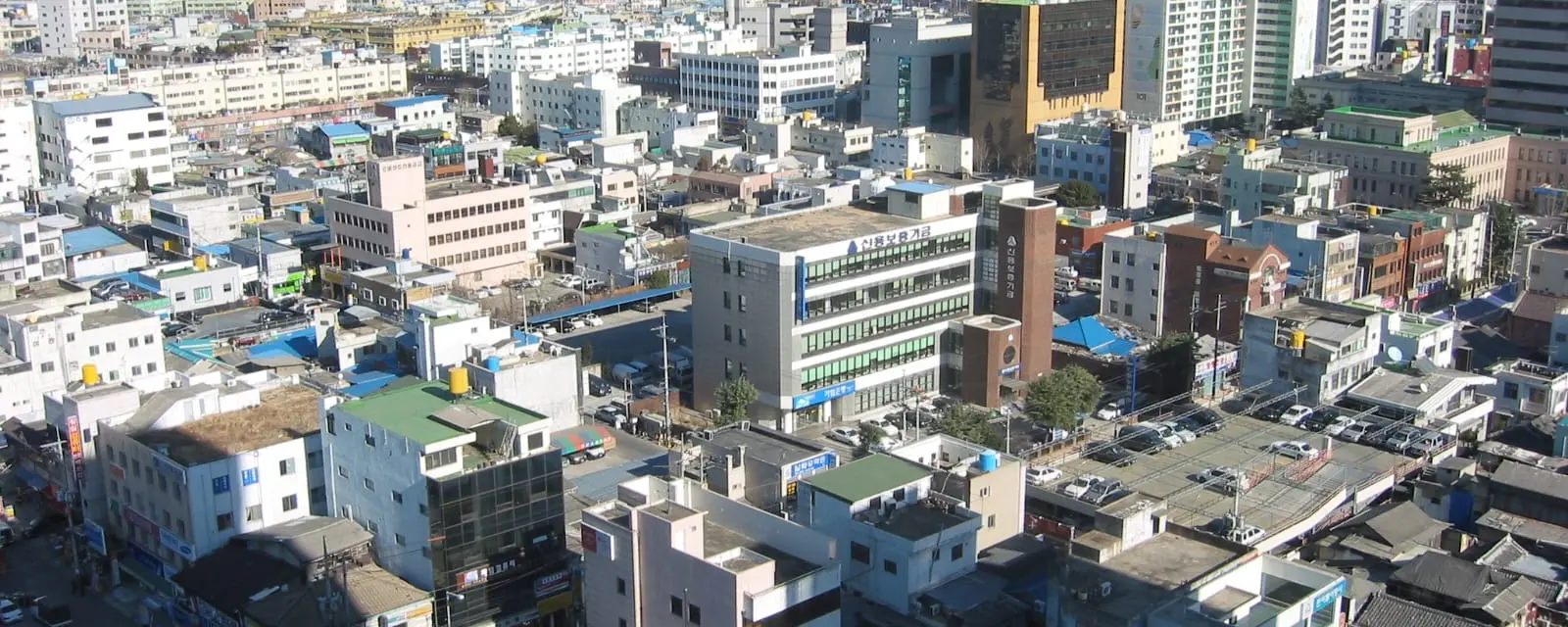
The Pohang Marathon attracts approximately 5,000 finishers each October through South Korea's steel-city port on the East Sea. The course passes Hwanho Park, the POSCO steelworks waterfront, and the Homigot sunrise square area with coastal views. October's mild Korean autumn makes it a popular regional race on the southeast coast.

Pohang Marathon is a certified 42.195 km (26.2 mile) marathon — the standard World Athletics marathon distance.

Typical participants

Approximately 5,000 finishers

Weather

Mild autumn

13–16°C · humidity 60–75%

Marathon weather guide →

Course & terrain

Pohang Marathon course

Course route details and elevation profile for race-week planning.

The Pohang Marathon is a scenic coastal road that starts and finishes at Hwanho Park or the Pohang city centre. The loop follows the East Sea coastline, passes the POSCO waterfront, and reaches the Homigot area. The flat profile keeps rhythm steady throughout, with only minor bridge ramps or short rises interrupting otherwise even pacing. Spectators gather along the waterfront, at the start-finish festival, and at organised cheer stations on the most scenic coastal stretches.

Registration

Pohang Marathon entry requirements

The Pohang Marathon accepts entries through pohangmarathon.co.kr, using open registration when places remain available and a lottery when demand exceeds capacity. Sign-up for the May race typically opens in April. The modest field size on South Korea's east coast makes general entry more accessible than Seoul-area ballot races.

Getting there

Pohang Marathon travel

Airports closest to Pohang for flight planning and race-week travel.
Closest airport

Pohang Airport (G-815/K-3) (KPO)

7 km / 4 mi

Race footage

Pohang Marathon videos

Race-day footage from the course to help you picture the route, crowds, and key landmarks on marathon day.

2016 Pohang Marathon (formerly Pohang Beach Marathon) Course Preview | Haeoreum Bridge: Extreme D...

Common questions

Frequently Asked Questions

What is the Pohang Marathon elevation profile?
The Pohang Marathon has 100 metres of total climbing and 95 metres of descent over 42.195 km (26.2 miles). The course is rolling, with 5 metres of net climb from start to finish.
How long is the Pohang Marathon?
The Pohang Marathon is the standard marathon distance of 42.195 kilometres (26.2 miles), certified to World Athletics rules. Coastal course starting and finishing at Hwanho Park or the Pohang city centre.
What time does the Pohang Marathon start?
The 2026 Pohang Marathon starts at 8:00 am local time on Sunday, 25 October 2026. Arrive early for baggage drop and corral access — official race communications confirm any last-minute schedule changes.
Where does the Pohang Marathon start?
The race starts and finishes at Hwanho Park or the Pohang city-centre festival area. The coastal loop is mapped in pre-race materials.
When is the Pohang Marathon?
The Pohang Marathon is held in October, typically on the fourth Sunday.
Is the Pohang Marathon flat?
The coastal course is largely flat with gentle undulations. It is less hilly than Busan's coastal marathon.
What is Pohang known for?
Pohang is home to POSCO, one of the world's largest steelmakers, and Homigot — the easternmost point of South Korea where the East Sea sunrise is celebrated.
What weather should I expect in Pohang in October?
October in Pohang is mild autumn weather, often 12–20 °C (54–68 °F) with sea breezes along the East Sea coast.

Last updated 11 October 2026. Edition dates and course details are reviewed regularly.

Close to this race

Nearby Marathons

Other races closest to Pohang.

Gyeongju Marathon

Find a Marathon →

Planning guides

Related guides

Practical guides to help you plan, train for, and run this race.

Marathon Weather: What to Expect

Marathon Weather: What to Expect

How temperature, humidity, wind, and rain affect marathon performance — and how to use typical race-day weather when choosing a start line.

View all marathon guides →