
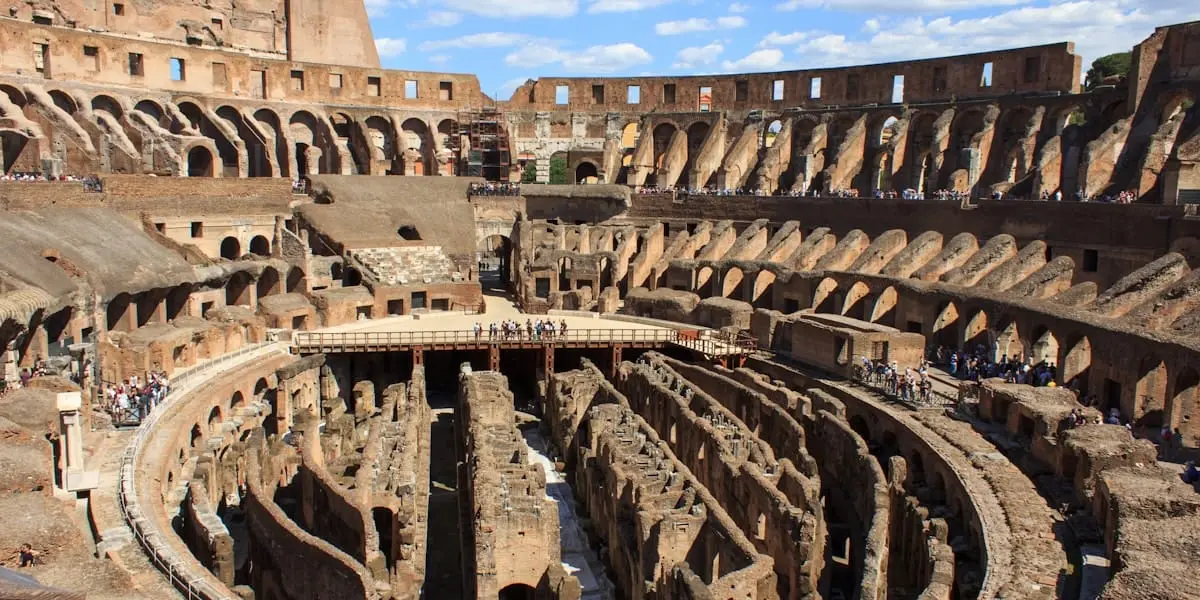
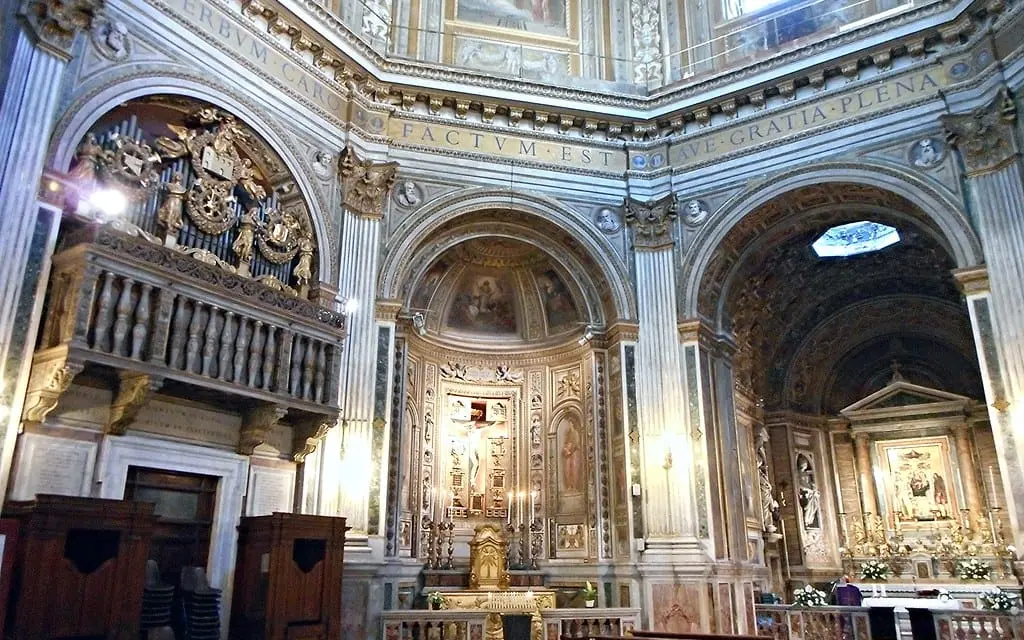
Next race
Saturday, 13 March 2027
8:30 am start
Distance
42.195 km / 26.2 mi
Historic urban road
Elevation
Rolling · 134 m gain
134 m climbing
Race profile
Overview
The Rome Marathon is one of the world's largest marathons, drawing approximately 20k finishers on a historic urban road in Rome, Italy. The course starts and finishes at the Colosseum. The route passes the Circus Maximus, St Peter's Square, the Trevi Fountain, Piazza di Spagna, and the Via dei Fori Imperiali. Hilly with cobblestone sections through the historic centre and climbs around the Vatican and Aventine Hill.
Rome Marathon is a certified 42.195 km (26.2 mile) marathon — the standard World Athletics marathon distance.
- Typical participants
Approximately 20k finishers
- Weather
- Course records
- Men: 2:06:24 — Asbel Rutto (2024)Women: 2:22:44 — Pascaline Kibiwot (2026)
Course & terrain
Rome Marathon course
Route map and elevation profile for race-week planning.
The Maratona di Roma is a loop starting and finishing on Via dei Fori Imperiali beside the Colosseum, passing the Circus Maximus, Trevi Fountain, Piazza di Spagna, St Peter's Square, Castel Sant'Angelo, and Piazza Navona. Riverside stretches are the easiest, while cobblestones through the historic centre and the climbs around the Vatican and Aventine Hill are the toughest sections. Spectators line Via dei Fori Imperiali at the start and finish, cheer through the centro storico, and gather near Piazza Navona and the Vatican approach.
Rome Marathon route map
The Rome Marathon course is rolling over 42.195 km (26.2 miles). Runners cover 134 metres of climbing and 133 metres of descent, with a net climb of 1 metres from start to finish.
- Elevation
Rolling · 134 m gain — approx. 20 m above sea level
↑ 134 m · ↓ 133 m · net +1 m
Registration
Rome Marathon entry requirements
Registration is open (no lottery) on the official www.runromethemarathon.com/en/home-2025-en-2/ website. Places sell out as the event approaches — typically well within the year prior. Entry fees increase in tiers closer to race day. Charity places are available through official partner organisations. A concurrent 'Fun Run' (5 km non-competitive event) on the same morning is a popular option for non-runners travelling with marathon participants.
Getting there
Rome Marathon travel
Airports closest to Rome for flight planning and race-week travel.
- Closest airport
Ciampino–G. B. Pastine International Airport (CIA)
12 km / 8 mi
- Also nearby
Rome–Fiumicino Leonardo da Vinci International Airport (FCO)
24 km / 15 mi
Race footage
Rome Marathon videos
Race-day footage from the course to help you picture the route, crowds, and key landmarks on marathon day.
ACEA RUN ROME THE MARATHON 2026 - OFFICIAL ROUTE
Common questions
Frequently Asked Questions
- What is the Rome Marathon elevation profile?
- The Rome Marathon has 134 metres of total climbing and 133 metres of descent over 42.195 km (26.2 miles). The course is rolling, with 1 metres of net climb from start to finish.
- Where can I find the Rome Marathon route map?
- This page includes a Rome Marathon course map showing the full 42.195 km route from start to finish. Passes the Circus Maximus, St Peter's Square, the Trevi Fountain, Piazza di Spagna, and the Via dei Fori Imperiali.
- How long is the Rome Marathon?
- The Rome Marathon is the standard marathon distance of 42.195 kilometres (26.2 miles), certified to World Athletics rules. Historic course starting and finishing at the Colosseum.
- What time does the Rome Marathon start?
- The 2027 Rome Marathon starts at 8:30 am local time on Saturday, 13 March 2027. Arrive early for baggage drop and corral access — official race communications confirm any last-minute schedule changes.
- What is the Rome Marathon course route?
- The Maratona di Roma starts on the Via dei Fori Imperiali — the broad avenue running past the Roman Imperial Forums — and finishes at the same location. The course passes an extraordinary concentration of monuments: the Colosseum (at the start/finish), Circus Maximus, Piazza Venezia, the Trevi Fountain, Piazza del Popolo, St. Peter's Basilica and the Vatican walls, Castel Sant'Angelo, Piazza Navona, and the Pantheon. No other marathon packs so many UNESCO World Heritage sites into a single route.
- Are there cobblestones on the Rome Marathon course?
- Yes — cobblestones (sampietrini) are an unavoidable reality of racing through ancient Rome. Several sections near the Vatican, Piazza Navona, Trastevere, and the Testaccio neighbourhood feature the original black basalt cobblestones that cover much of Rome's historic centre. These are uneven and can be slippery when wet. Running on cobblestones for extended stretches is significantly more fatiguing than smooth tarmac. Shoes with slightly broader bases and firmer midsoles tend to perform better on this surface than ultra-minimal racing flats.
- When is the Rome Marathon held?
- Rome Marathon is held in late March or early April — typically the last Sunday of March. Spring arrives early in Rome: temperatures are usually 8–18 °C (46–64 °F) and sunny spring days are common, though cold snaps and rain are possible. The timing coincides with the early tourist season, so central Rome accommodation fills very quickly. Book hotels immediately upon race registration — ideally more than six months in advance.
- How do I register for the Rome Marathon?
- . Places sell out as the event approaches — typically well within the year prior. Entry fees increase in tiers closer to race day. Charity places are available through official partner organisations. A concurrent 'Fun Run' (5 km non-competitive event) on the same morning is a popular option for non-runners travelling with marathon participants.
- Is the Rome Marathon a fast course?
- Rome is a course for the experience rather than a personal best. The cobblestones, frequent turns through narrow historic streets, modest undulations particularly around Trastevere and the Testaccio neighbourhood, and the logistical complexity of racing through a city of ancient streets all work against speed. Most runners describe Rome as a 'once in a lifetime' race precisely because running past the Colosseum, St. Peter's, and the Trevi Fountain at marathon pace is extraordinary — not because conditions favour fast times.
Last updated 11 October 2026. Edition dates and course details are reviewed regularly.
Close to this race
Nearby Marathons
Other races closest to Rome.
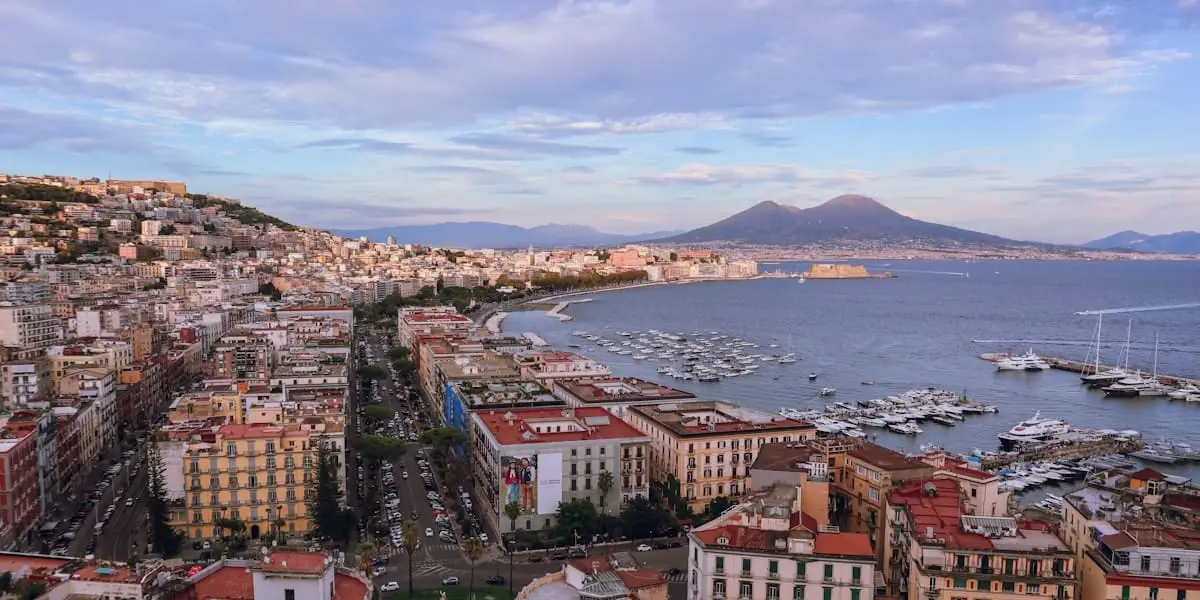
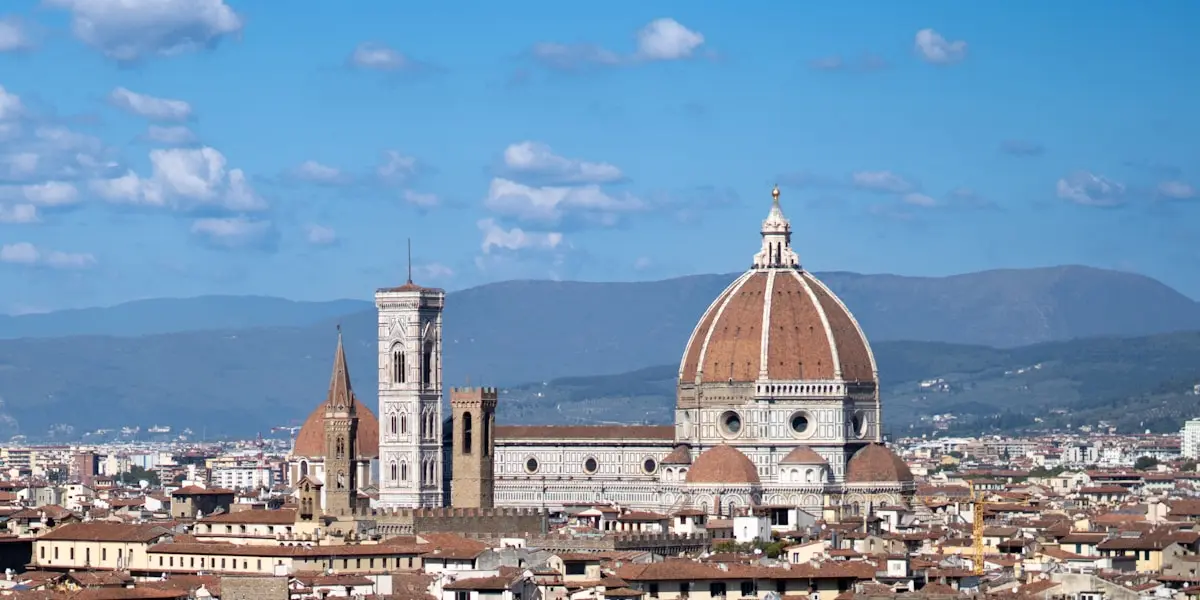
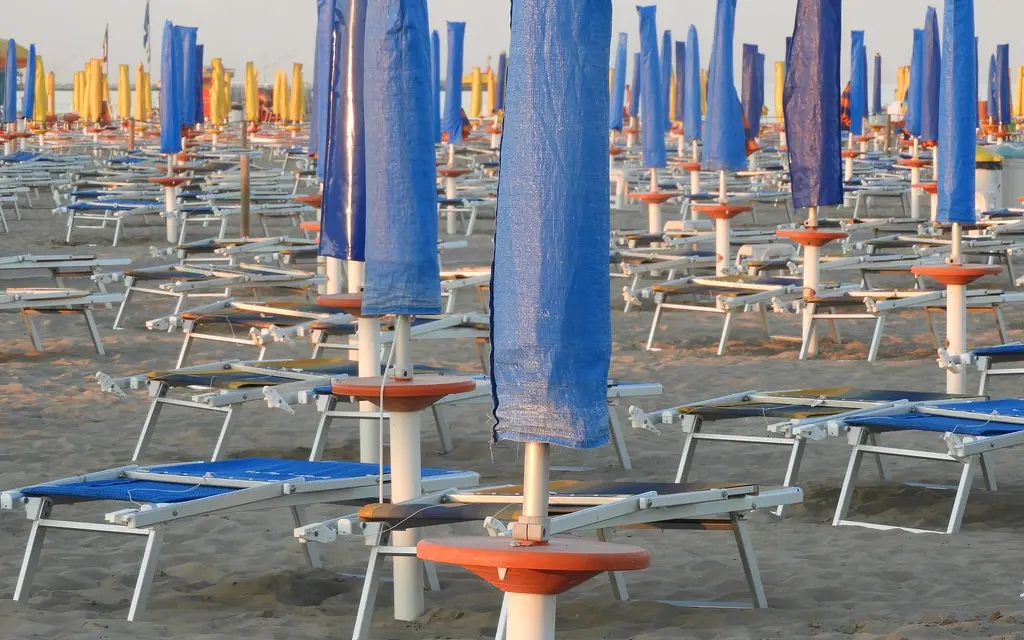
RiminiEmilia-RomagnaItaly· 241 km away
Rimini Marathon
The Rimini Marathon draws approximately 2,000 finishers each April on a coastal road in Rimini, Italy. It is one of Italy's cleaner pure-seafront marathon experiences. The route passes Adriatic beachfront stretches, marina areas, and flat resort-city avenues. The course is very flat throughout.
Next race: Sunday, 4 April 2027
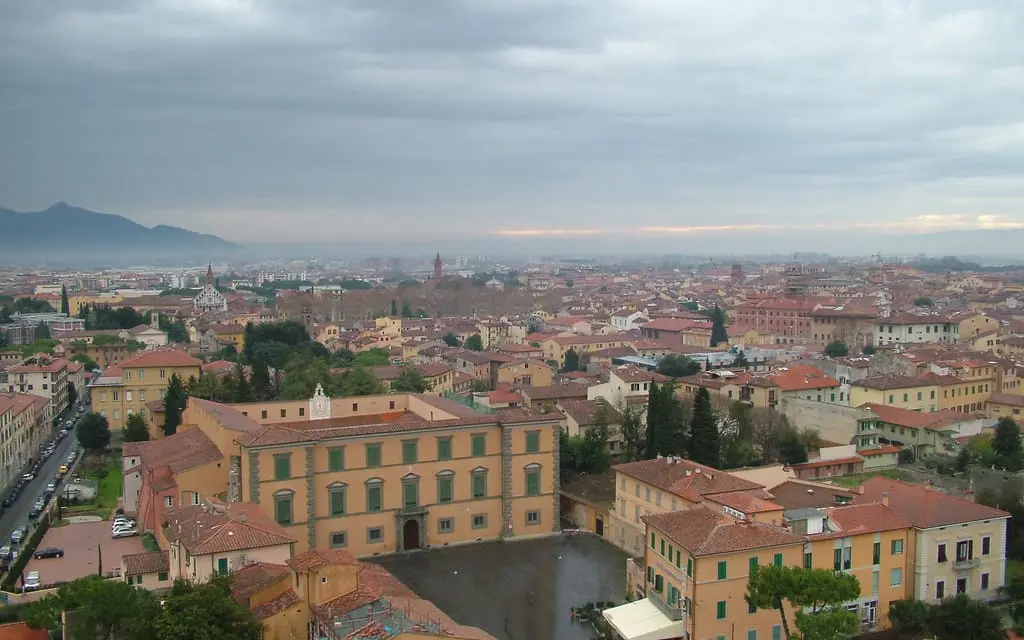
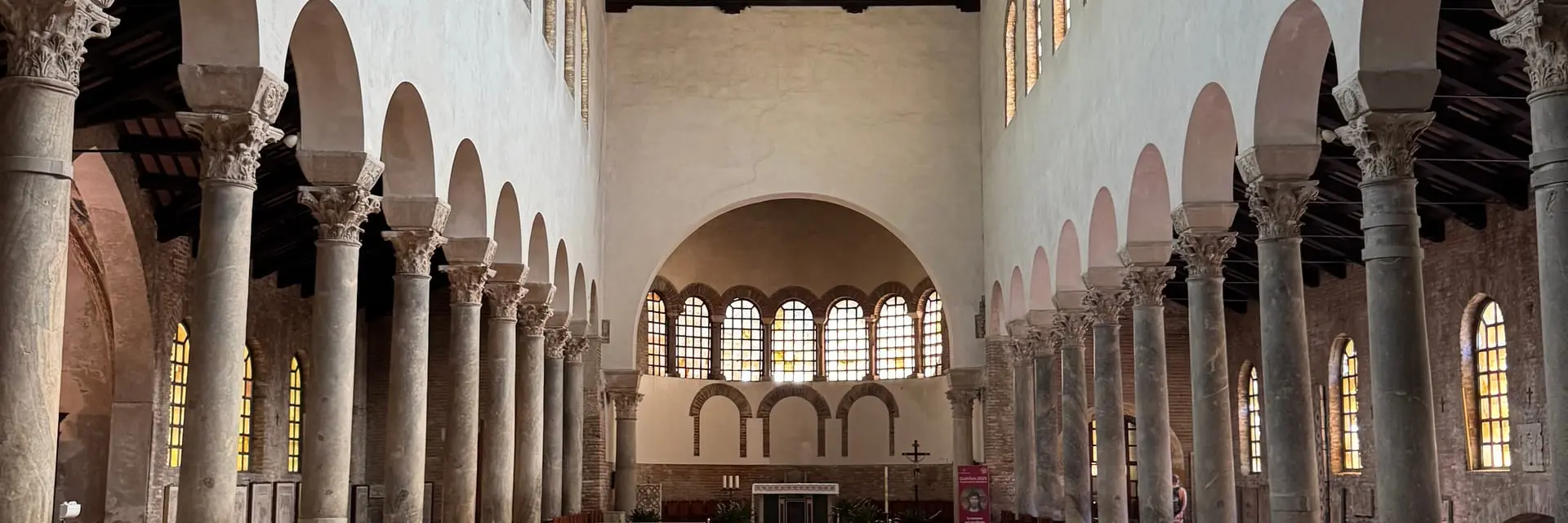
RavennaEmilia-RomagnaItaly· 282 km away
Maratona di Ravenna
The Maratona di Ravenna runs through the former Byzantine capital of Italy, passing UNESCO-listed early Christian mosaics and Adriatic seafront sections. About 3,500 finishers each November experience a flat course linking Ravenna's ancient heritage with the Po delta lowlands. It is one of Italy's most culturally distinctive regional marathons.
Next race: Sunday, 8 November 2026
Planning guides
Related guides
Practical guides to help you plan, train for, and run this race.

Marathon Course Profiles Explained
What flat, rolling, and hilly really mean — and how to read elevation gain, net change, and altitude on a marathon course.

Marathon Weather: What to Expect
How temperature, humidity, wind, and rain affect marathon performance — and how to use typical race-day weather when choosing a start line.

How to Choose a Marathon
Match a race to your goals — personal bests, sightseeing, atmosphere, or a major milestone — using course data and realistic expectations.