- How long is the Seoul International Marathon?
- The Seoul International Marathon is the standard marathon distance of 42.195 kilometres (26.2 miles), certified to World Athletics rules. Starts and finishes at Gwanghwamun Square in central Seoul.
- Is the Seoul International Marathon flat?
- Yes. The Seoul International Marathon is mostly flat with gentle undulations with 100 metres of total climbing over 42.195 km (26.2 miles) — a profile that suits runners chasing personal bests or Boston qualifying times.
- What time does the Seoul International Marathon start?
- The 2027 Seoul International Marathon starts at 8:00 am local time on Sunday, 7 March 2027. Arrive early for baggage drop and corral access — official race communications on en.seoul-marathon.com/ confirm any last-minute schedule changes.
- What is the Seoul Marathon course route?
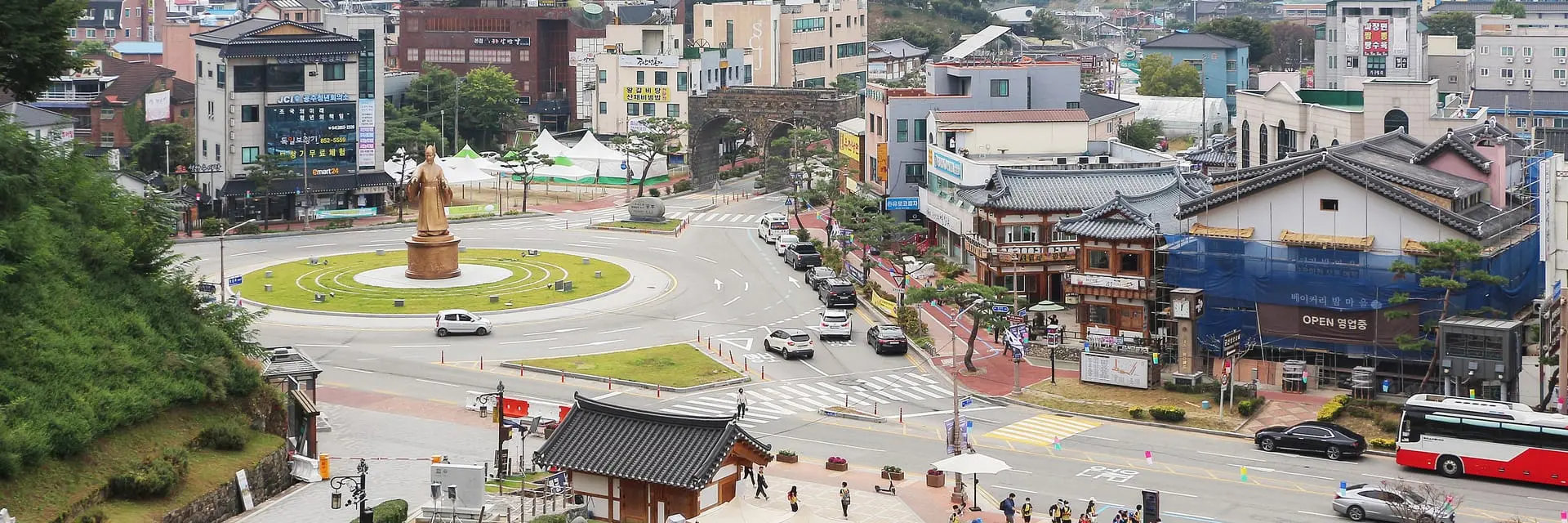
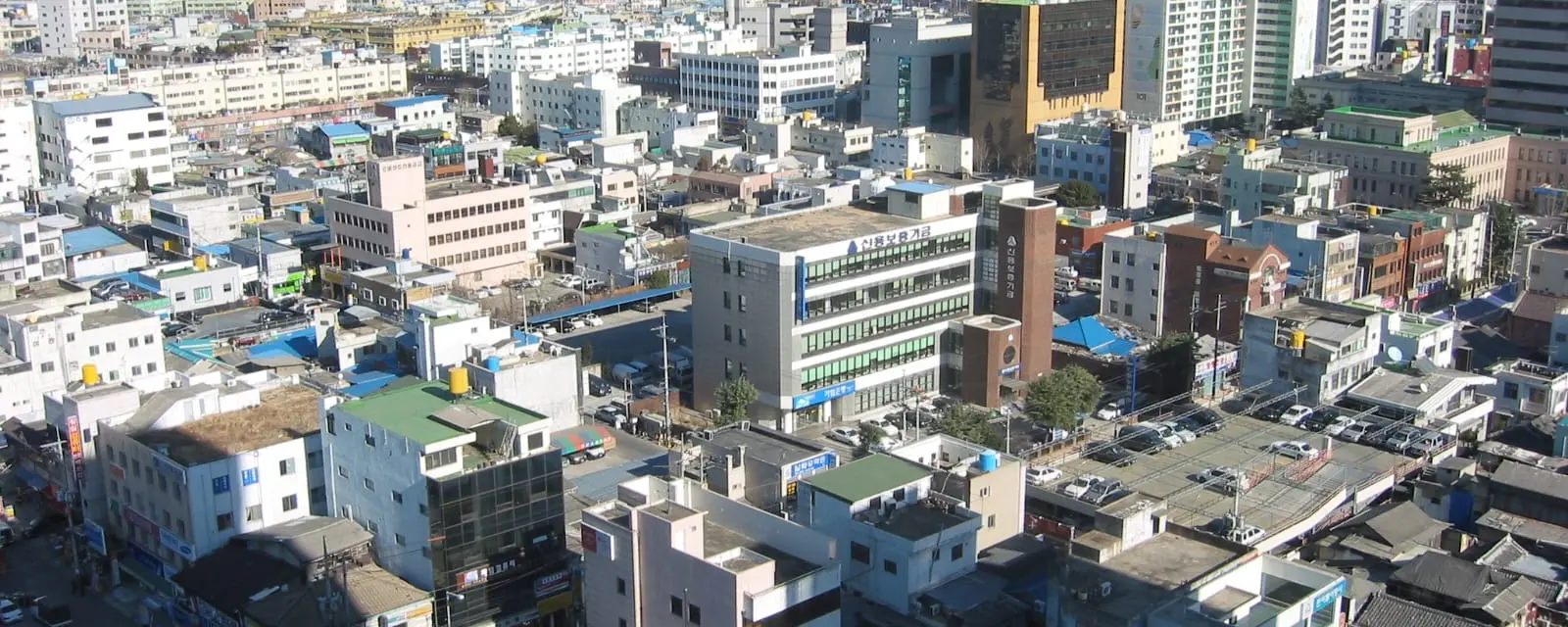
- The Seoul International Marathon starts at Gwanghwamun Plaza, in the heart of the city in front of Gwanghwamun Gate — the main gate of Gyeongbokgung Palace. The course heads south through central Seoul, crosses the Han River via the Mapo Bridge, and loops along the southern riverside park paths before recrossing and returning north through Yeouido (Seoul's financial and political island). The Han River sections are flat, fast, and offer striking city views, particularly from the bridges.
- When is the Seoul Marathon and how do I enter?
- Seoul International Marathon is held in March, typically the third Sunday. Registration opens online in autumn through en.seoul-marathon.com. The process is primarily in Korean but an English section exists, and many international runners use dedicated running travel agencies that offer English-language entry assistance. The field is approximately 15,000–20,000 for the full marathon. As South Korea's oldest and most prestigious marathon — first run in 1931 — demand from domestic runners is high.
- What is the elevation profile of the Seoul Marathon?
- The Seoul International Marathon course is largely flat, particularly along the Han River and through the southern riverside loop. Total elevation gain is around 78 metres — modest for a course that traverses a major Asian capital. The Han River running paths (Hangang Park) are among the flattest and most well-maintained urban running surfaces in Asia, and the wide bridge crossings add no significant grade. Seoul's flat profile makes it a realistic personal-best target for runners familiar with Asian marathon culture.
- What are the weather and air quality conditions at Seoul Marathon?
- March in Seoul is early spring in northeast Asia, with temperatures typically 3–12 °C (37–54 °F) on race day — excellent for running. However, the infamous 'yellow dust' (hwangsa) — fine particulate matter blown from the Gobi Desert across northern China and into Korea — is a real risk in March. Air quality can range from excellent to significantly degraded. Runners with respiratory sensitivities should monitor AQI forecasts in race week and have a contingency plan, including a mask if conditions are poor.
- What makes Seoul Marathon South Korea's premier running event?
- Seoul International Marathon has been running since 1931, making it one of the oldest marathons in Asia. It holds World Athletics Platinum Label status — the highest designation for road races — and attracts elite East African and South Korean runners. The start at Gwanghwamun Gate, with the ancient palace beyond it, provides a historically and visually iconic backdrop. The city closes major arterial roads and Han River bridges for the race, creating sweeping wide avenues with exceptional crowd access.