
Warsaw Marathon
WarsawPoland
Next race
Sunday, 26 September 2027
9:00 am start
Distance
42.195 km / 26.2 mi
Urban road
Elevation
Rolling · 83 m gain
83 m climbing
Race profile
Overview
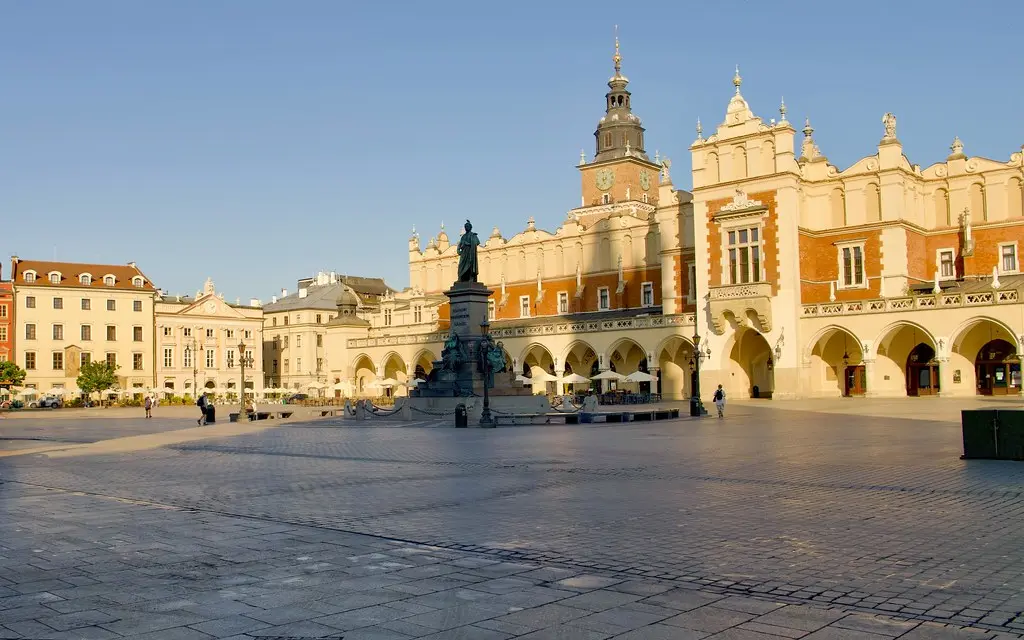
The Warsaw Marathon draws approximately 8,500 finishers on an urban road in Warsaw, Poland. The course starts and finishes at the Palace of Culture and Science. The route passes the Old Town, Łazienki Park, and the Vistula embankment. Mostly flat with minor bridge crossings.
Warsaw Marathon is a certified 42.195 km (26.2 mile) marathon — the standard World Athletics marathon distance.
- Typical participants
Approximately 8,500 finishers
- Weather
- Course records
- Men: 2:08:17 — John Kibet (2011)Women: 2:28:35 — Demissie Ayantu (2022)
Course & terrain
Warsaw Marathon course
Route map, elevation profile, and downloadable GPX for race-week planning.
The Warsaw Marathon is a flat capital loop starting and finishing at the Palace of Culture and Science, passing the Old Town, Lazienki Park, and the Vistula embankment. The park and riverside sections are the easiest because they stay smooth and level, while the long urban straights and subtle drags are tougher than they first appear. Spectators gather at the Palace of Culture and Science, around the Old Town, and along the Vistula embankment.
Warsaw Marathon route map
The Warsaw Marathon course is rolling over 42.195 km (26.2 miles). Runners cover 83 metres of climbing and 83 metres of descent, with minimal net elevation change from start to finish.
- Elevation
Rolling · 83 m gain — approx. 113 m above sea level
↑ 83 m · ↓ 83 m · net 0 m
Warsaw Marathon GPX file
Download the Warsaw Marathon GPX file
Marathon Focus' proprietary GPX processing removes duplicate points, adds elevation data, and formats the file so you get a cleaner, more reliable route to load into your Garmin, Coros, or Apple Watch fitness watch.
Registration
Warsaw Marathon entry requirements
The ORLEN Warsaw Marathon uses open registration at maratonwarszawski.com with no ballot or qualifying time. Sign-up for the September race typically opens in spring. As Poland's largest marathon with 8,000–10,000 finishers, early registration is advisable for preferred start-wave assignment, though the field rarely sells out months in advance.
Getting there
Warsaw Marathon travel
Airports closest to Warsaw for flight planning and race-week travel.
- Closest airport
Warsaw Chopin Airport (WAW)
8 km / 5 mi
Race footage
Warsaw Marathon videos
Race-day footage from the course to help you picture the route, crowds, and key landmarks on marathon day.
9th Warsaw Half Marathon - the course
Common questions
Frequently Asked Questions
- What is the Warsaw Marathon elevation profile?
- The Warsaw Marathon has 83 metres of total climbing and 83 metres of descent over 42.195 km (26.2 miles). The course is rolling, with 0 metres of net change from start to finish.
- Where can I find the Warsaw Marathon route map?
- This page includes a Warsaw Marathon course map showing the full 42.195 km route from start to finish. Passes the Old Town, Łazienki Park, and the Vistula embankment.
- How long is the Warsaw Marathon?
- The Warsaw Marathon is the standard marathon distance of 42.195 kilometres (26.2 miles), certified to World Athletics rules. Starts and finishes at the Palace of Culture and Science.
- What time does the Warsaw Marathon start?
- The 2027 Warsaw Marathon starts at 9:00 am local time on Sunday, 26 September 2027. Arrive early for baggage drop and corral access — official race communications confirm any last-minute schedule changes.
- Is the Warsaw Marathon Poland's largest marathon?
- Yes. The Maraton Warszawski is Poland's biggest and most prestigious marathon, consistently attracting 8,000–10,000 finishers. It is the country's top road-running event and draws strong international participation from across Central and Eastern Europe.
- Does the Warsaw Marathon run along the Vistula River?
- Yes. The course follows extended sections of the Vistula (Wisła) riverbanks — Warsaw's defining geographical feature — passing the restored Old Town, the Royal Castle, and the scenic Łazienki Royal Baths Park. The Vistula boulevard sections offer wide-open views and flat terrain.
- When is the Warsaw Marathon held?
- The race is typically held on the last Sunday of September, when Warsaw's continental autumn brings crisp, dry conditions ideal for fast running — typically 10–16 °C.
- Is the Warsaw Marathon course flat?
- Largely flat, with around 113 metres of total climbing. The Vistula riverside sections and city park roads are almost entirely level; minor rises occur in the older city districts. Warsaw's geography — a city on a plain — naturally produces a fast course.
- What is significant about Warsaw's rebuilt Old Town on the marathon course?
- Warsaw's UNESCO-listed Old Town was almost completely destroyed in World War II and meticulously reconstructed from historical plans and paintings. Running through it during the marathon is a powerful reminder of the city's resilience, and the baroque townhouses and market square are a highlight of the route.
Official resources
Warsaw Marathon links
Websites
Social Media
Last updated 11 October 2026. Edition dates and course details are reviewed regularly.
Close to this race
Nearby Marathons
Other races closest to Warsaw.
BurgBrandenburgGermany· 472 km away
Spreewald Marathon
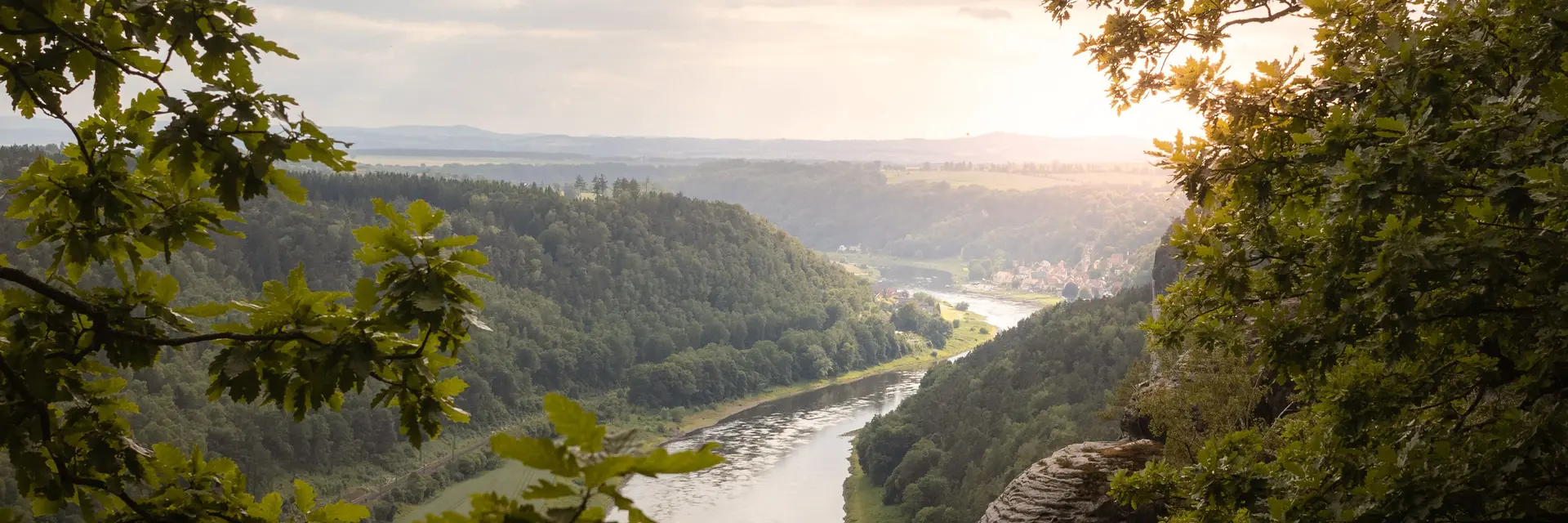
The Spreewald Marathon draws approximately 1,200 finishers each April on a canal-region road in Burg, Germany. The Spreewald setting gives the race a strong regional identity built around waterways and villages. The course passes canals, meadows, and low-lying roads through one of Germany's most distinctive wetland landscapes. The course is very flat throughout.
Next race: Sunday, 25 April 2027
Planning guides
Related guides
Practical guides to help you plan, train for, and run this race.

Marathon Course Profiles Explained
What flat, rolling, and hilly really mean — and how to read elevation gain, net change, and altitude on a marathon course.

Marathon Weather: What to Expect
How temperature, humidity, wind, and rain affect marathon performance — and how to use typical race-day weather when choosing a start line.

How to Choose a Marathon
Match a race to your goals — personal bests, sightseeing, atmosphere, or a major milestone — using course data and realistic expectations.