

Guayaquil Marathon
GuayaquilEcuador
Next race
Sunday, 3 October 2027
6:00 am start
Distance
42.195 km / 26.2 mi
Urban coastal road
Elevation
Flat · 50 m gain
50 m climbing
Race profile
Overview
The Guayaquil Marathon attracts approximately 2,000 finishers each October through Ecuador's largest city and Pacific port. The course passes the Malecón 2000 waterfront, the Las Peñas hillside neighbourhood, and the Guayas River on flat coastal terrain. October's dry-season equatorial weather and the tropical port-city atmosphere make it Ecuador's largest road race.
Guayaquil Marathon is a certified 42.195 km (26.2 mile) marathon — the standard World Athletics marathon distance.
- Typical participants
Approximately 2,000 finishers
- Weather
Course & terrain
Guayaquil Marathon course
Course route details and elevation profile for race-week planning.
The Guayaquil Marathon is an urban coastal road that starts and finishes at the Malecón 2000 waterfront or the Samanes Park area. The loop follows the Guayas River embankment, passes the Malecón 2000, and crosses the Las Peñas approach. The flat profile keeps rhythm steady throughout, with only minor bridge ramps or short rises interrupting otherwise even pacing. Spectators gather along the waterfront, at the start-finish festival, and at organised cheer stations on the most scenic coastal stretches.
The Guayaquil Marathon course is flat over 42.195 km (26.2 miles). Runners cover 50 metres of climbing and 50 metres of descent, with minimal net elevation change from start to finish.
- Elevation
Registration
Guayaquil Marathon entry requirements
The Guayaquil Marathon accepts open registration through maratonguayaquil.com with no lottery or qualifying standard. Entry for the October race usually opens several months beforehand. As Ecuador's principal city marathon, it draws a mix of local club runners and international participants through the same online sign-up portal.
Getting there
Guayaquil Marathon travel
Airports closest to Guayaquil for flight planning and race-week travel.
- Closest airport
José Joaquín de Olmedo International Airport (GYE)
4 km / 3 mi
Race footage
Guayaquil Marathon videos
Race-day footage from the course to help you picture the route, crowds, and key landmarks on marathon day.
Iron Runner Obstacle Preview - Guayaquil, Ecuador (2017)
Common questions
Frequently Asked Questions
- What is the Guayaquil Marathon elevation profile?
- The Guayaquil Marathon has 50 metres of total climbing and 50 metres of descent over 42.195 km (26.2 miles). The course is flat, with 0 metres of net change from start to finish.
- How long is the Guayaquil Marathon?
- The Guayaquil Marathon is the standard marathon distance of 42.195 kilometres (26.2 miles), certified to World Athletics rules. Urban coastal road starting and finishing at the Malecón 2000 waterfront or the Samanes Park area.
- What time does the Guayaquil Marathon start?
- The 2027 Guayaquil Marathon starts at 6:00 am local time on Sunday, 3 October 2027. Arrive early for baggage drop and corral access — official race communications confirm any last-minute schedule changes.
- Where does the Guayaquil Marathon start?
- The race starts and finishes at the Malecón 2000 waterfront or Samanes Park. The coastal loop is mapped in pre-race materials.
- When is the Guayaquil Marathon?
- The Guayaquil Marathon is held in October, typically on the fourth Sunday, during Ecuador's dry season.
- Is the Guayaquil Marathon flat?
- Yes. The coastal and riverfront course is flat, though Las Peñas hillside adds minor undulations.
- What is the Malecón 2000?
- Malecón 2000 is Guayaquil's revitalised riverfront promenade along the Guayas River, with gardens, monuments, and views of the port.
- What weather should I expect in Guayaquil in October?
- October is dry season in Guayaquil, with hot humid conditions often 24–30 °C (75–86 °F). Hydration and sun protection are essential.
Official resources
Guayaquil Marathon links
Websites
Last updated 11 October 2026. Edition dates and course details are reviewed regularly.
Close to this race
Nearby Marathons
Other races closest to Guayaquil.

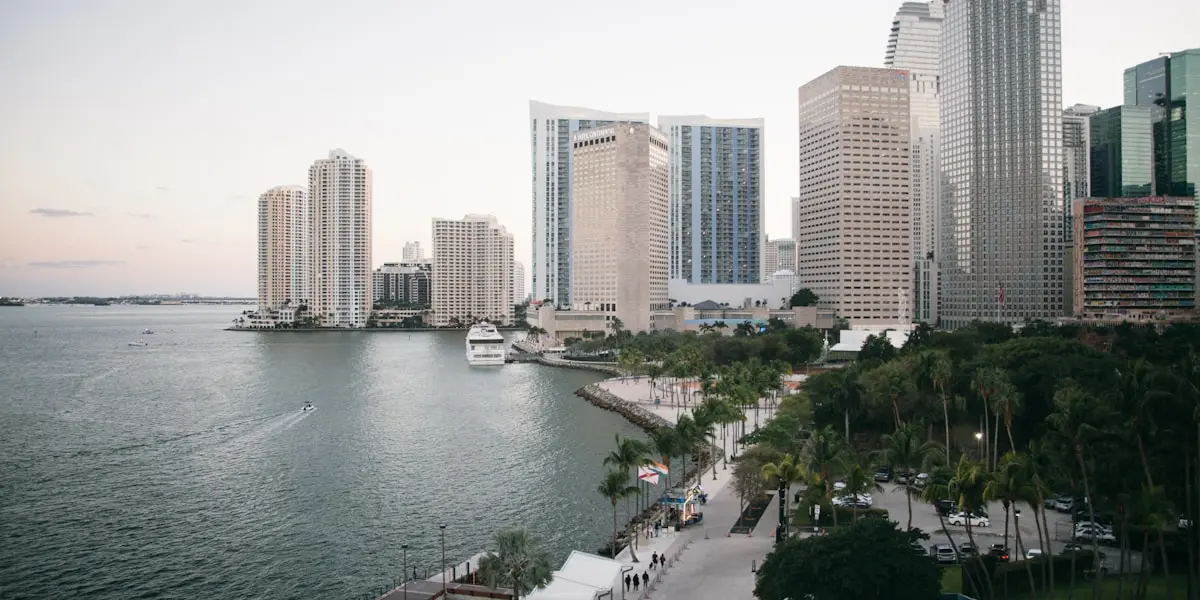
MiamiFloridaUnited States· 3,110 km away
Miami Marathon
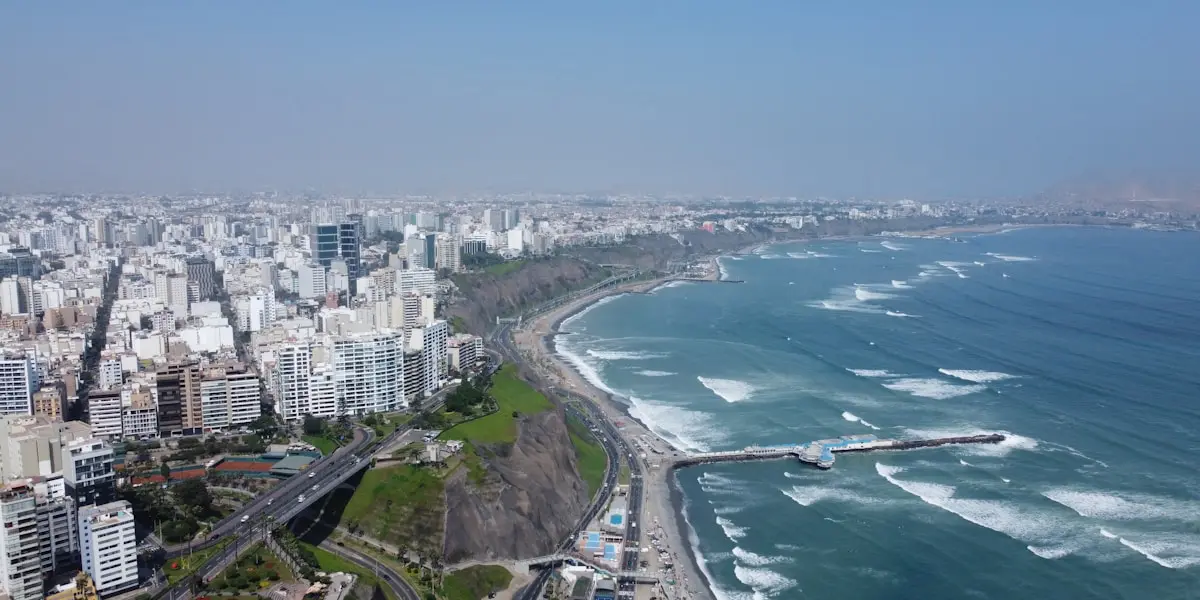
The Miami Marathon draws approximately 3,800 finishers on a scenic coastal road in Miami, United States. The course starts and finishes at the American Airlines Arena. Mostly flat with a climb on the MacArthur Causeway bridge.
Next race: Sunday, 31 January 2027
Planning guides
Related guides
Practical guides to help you plan, train for, and run this race.

Flat vs Hilly Marathons
When a flat course helps your time, when hills are worth the view, and how to pick terrain that fits your training and goals.

Marathon Weather: What to Expect
How temperature, humidity, wind, and rain affect marathon performance — and how to use typical race-day weather when choosing a start line.

How to Choose a Marathon
Match a race to your goals — personal bests, sightseeing, atmosphere, or a major milestone — using course data and realistic expectations.