
Next race
Sunday, 21 February 2027
8:30 am start
Distance
42.195 km / 26.2 mi
Urban road
Elevation
Rolling · 64 m gain
64 m climbing
Race profile
Overview
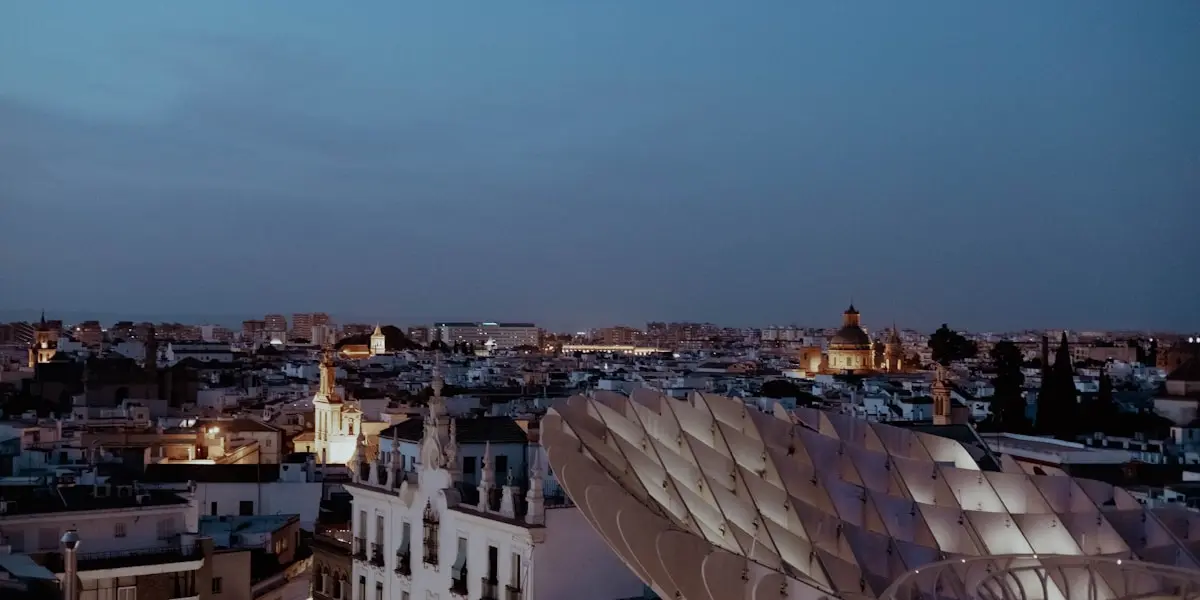
The Seville Marathon draws approximately 2,000 finishers on an urban road in Seville, Spain. The course starts and finishes at the Olympic Stadium. The route passes the Cathedral, Plaza de España, and the Guadalquivir riverfront. Very flat through the Andalusian capital.
Seville Marathon is a certified 42.195 km (26.2 mile) marathon — the standard World Athletics marathon distance.
- Typical participants
Approximately 2,000 finishers
- Weather
- Course records
- Men: 2:03:27 — Deresa Geleta (2024)Women: 2:18:51 — Alemu Megertu (2022)
Course & terrain
Seville Marathon course
Route map and elevation profile for race-week planning.
The Seville Marathon is a flat Guadalquivir loop starting and finishing at the Olympic Stadium, passing the Cathedral, Plaza de Espana, and the riverfront. The river and park sections are the easiest because they stay level and open, while the long urban connectors and subtle drags can feel tougher than expected on such a fast course. Spectator support is strongest at the Olympic Stadium, around Plaza de Espana, and along the Guadalquivir embankment.
Seville Marathon route map
The Seville Marathon course is rolling over 42.195 km (26.2 miles). Runners cover 64 metres of climbing and 64 metres of descent, with minimal net elevation change from start to finish.
- Elevation
Rolling · 64 m gain — approx. 16 m above sea level
↑ 64 m · ↓ 64 m · net 0 m
Registration
Seville Marathon entry requirements
For the Seville Marathon, the race is typically held on the last Sunday of February each year. February is widely considered the ideal window for fast marathon conditions in southern Spain. See en.zurichmaratonsevilla.es for exact dates and registration.
Getting there
Seville Marathon travel
Airports closest to Seville for flight planning and race-week travel.
- Closest airport
Seville Airport (SVQ)
8 km / 5 mi
Race footage
Seville Marathon videos
Race-day footage from the course to help you picture the route, crowds, and key landmarks on marathon day.
SEVILLE MARATHON 2024: 3D Course
Common questions
Frequently Asked Questions
- What is the Seville Marathon elevation profile?
- The Seville Marathon has 64 metres of total climbing and 64 metres of descent over 42.195 km (26.2 miles). The course is rolling, with 0 metres of net change from start to finish.
- Where can I find the Seville Marathon route map?
- This page includes a Seville Marathon course map showing the full 42.195 km route from start to finish. Passes the Cathedral, Plaza de España, and the Guadalquivir riverfront.
- How long is the Seville Marathon?
- The Seville Marathon is the standard marathon distance of 42.195 kilometres (26.2 miles), certified to World Athletics rules. Starts and finishes at the Olympic Stadium.
- What time does the Seville Marathon start?
- The 2027 Seville Marathon starts at 8:30 am local time on Sunday, 21 February 2027. Arrive early for baggage drop and corral access — official race communications confirm any last-minute schedule changes.
- Why is the Zurich Seville Marathon considered Spain's fastest winter marathon?
- The Zurich Seville Marathon combines two critical fast-course ingredients: an almost perfectly flat route through the UNESCO-listed Andalusian capital, and ideal February conditions — cool temperatures of 8–14 °C with low humidity. The course follows wide avenues and the Guadalquivir River waterfront with virtually no hills, and has hosted European and world-class performances.
- What landmarks does the Seville Marathon course pass?
- The route is a spectacular tour of Seville's historic core — runners pass the spectacular Plaza de España, the Cathedral (the world's largest Gothic cathedral), the Torre del Oro along the Guadalquivir River, the Real Alcázar, and the elegant Parque de María Luisa. Few marathons anywhere can match this concentration of UNESCO heritage sites on a single course.
- When is the Zurich Seville Marathon held?
- The race is typically held on the last Sunday of February each year. February is widely considered the ideal window for fast marathon conditions in southern Spain.
- Who sponsors the Seville Marathon?
- Zurich Insurance is the title sponsor, giving the event its full name of the Zurich Maratón de Sevilla. The partnership with one of Europe's leading insurers reflects the race's well-established international profile.
- Is the Seville Marathon a good course for a personal best?
- Yes — emphatically. The Seville Marathon is one of Europe's most reliably fast courses. The combination of extreme flatness (barely 64 m of total climbing), cool February temperatures, good road surfaces, and strong crowd support along the entire route makes it one of the best courses in Europe for chasing a PB.
Official resources
Seville Marathon links
Last updated 11 October 2026. Edition dates and course details are reviewed regularly.
Close to this race
Nearby Marathons
Other races closest to Seville.

MadridCommunity of MadridSpain· 390 km away
Rock 'n' Roll Madrid Marathon
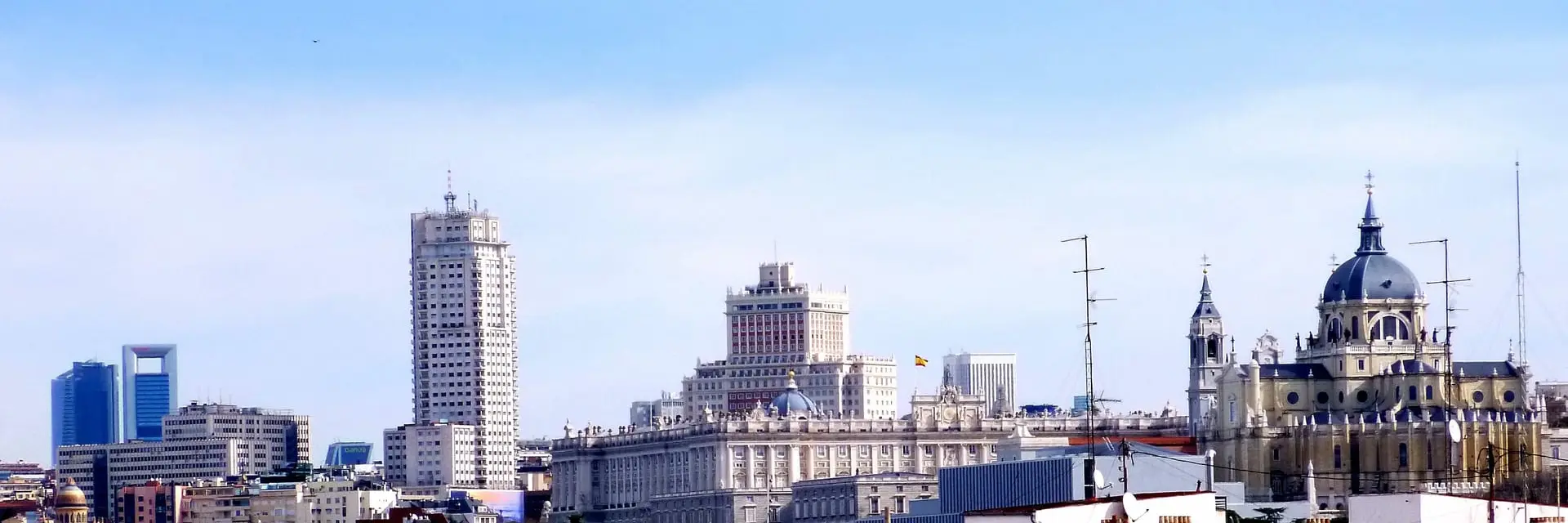
The Rock 'n' Roll Madrid Marathon brings roughly 10,000 runners through Spain's capital each April with live music stages along the course. The route passes the Prado Museum, Retiro Park, Plaza de Cibeles, and the Santiago Bernabéu Stadium area on largely flat Madrid boulevards. Combining big-city landmarks with the Rock 'n' Roll series' entertainment format makes it one of Spain's most popular spring marathons.
Next race: Sunday, 25 April 2027
MurciaRegion of MurciaSpain· 431 km away
Murcia Marathon
The Murcia Marathon draws approximately 1,500 finishers each February on an urban road in Murcia, Spain. Its terrain is among the flattest of Spain's second-tier city marathons. The route passes Segura River sections, wide avenues, and flat streets through the southeastern city. The course is very flat throughout.
Next race: Sunday, 7 February 2027
Planning guides
Related guides
Practical guides to help you plan, train for, and run this race.

Marathon Course Profiles Explained
What flat, rolling, and hilly really mean — and how to read elevation gain, net change, and altitude on a marathon course.

Marathon Weather: What to Expect
How temperature, humidity, wind, and rain affect marathon performance — and how to use typical race-day weather when choosing a start line.

How to Choose a Marathon
Match a race to your goals — personal bests, sightseeing, atmosphere, or a major milestone — using course data and realistic expectations.