

Next race
Sunday, 28 March 2027
9:00 am start
Distance
42.195 km / 26.2 mi
Urban road
Elevation
Flat · 50 m gain
50 m climbing
Race profile
Overview
The Itabashi City Marathon hosts about 14,000 runners each March in a northern Tokyo ward known for its residential neighbourhoods and Arakawa River parklands. The course is a flat urban loop through Itabashi and neighbouring wards, offering a local-community marathon experience within the Tokyo metropolitan area without the congestion of central Tokyo races.
Itabashi City Marathon is a certified 42.195 km (26.2 mile) marathon — the standard World Athletics marathon distance.
- Typical participants
Approximately 14k finishers
- Weather
Course & terrain
Itabashi City Marathon course
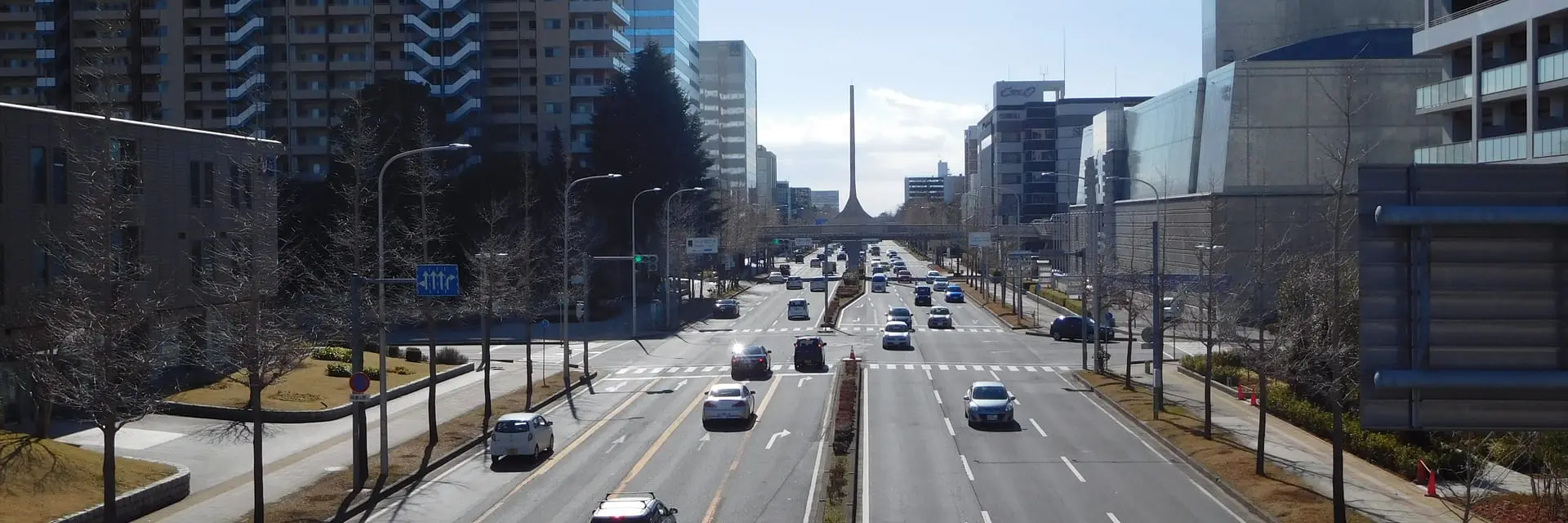
The Itabashi City Marathon is a flat loop that starts and finishes near the Itabashi Ward Office area and runs through Arakawa river parkland, Akabane, and the ward's station districts. The riverside paths are the easiest part of the course, while wind and long straight embankment sections make the second half tougher, and spectators cluster near the start-finish area, around Akabane, and at the path access points.
Itabashi City Marathon route map
The Itabashi City Marathon course is flat over 42.195 km (26.2 miles). Runners cover 50 metres of climbing and 50 metres of descent, with minimal net elevation change from start to finish.
- Elevation
Registration
Itabashi City Marathon entry requirements
For the Itabashi City Marathon, the race is held on the fourth Sunday of March. Registration is through https://www.itabashimarathon.jp/.
Getting there
Itabashi City Marathon travel
- Closest airport
Tokyo Haneda International Airport (HND)
18 km / 11 mi
Common questions
Frequently Asked Questions
- What is the Itabashi City Marathon elevation profile?
- The Itabashi City Marathon has 50 metres of total climbing and 50 metres of descent over 42.195 km (26.2 miles). The course is flat, with 0 metres of net change from start to finish.
- Where can I find the Itabashi City Marathon route map?
- This page includes a Itabashi City Marathon course map showing the full 42.195 km route from start to finish. The course follows riverside paths and ward boulevards.
- How long is the Itabashi City Marathon?
- The Itabashi City Marathon is the standard marathon distance of 42.195 kilometres (26.2 miles), certified to World Athletics rules. Starts and finishes at Itabashi Ward Office area and loops through the Arakawa River parkland, Akabane, and Itabashi station districts.
- What time does the Itabashi City Marathon start?
- The 2027 Itabashi City Marathon starts at 9:00 am local time on Sunday, 28 March 2027. Arrive early for baggage drop and corral access — official race communications confirm any last-minute schedule changes.
- Where does the Itabashi City Marathon start and finish?
- The race starts and finishes near Itabashi Ward Office in northern Tokyo. The loop follows the Arakawa River parkland and local ward streets.
- Is the Itabashi City Marathon flat?
- Yes. The Arakawa riverside paths and Itabashi ward streets are among the flatter marathon routes in the Tokyo area, with negligible elevation change.
- When is the Itabashi City Marathon?
- The race is held on the fourth Sunday of March.
- What is the atmosphere like at the Itabashi City Marathon?
- The race has a strong local-community feel with ward residents lining the Arakawa parkland sections. It is less tourist-focused than central Tokyo marathons but offers an authentic neighbourhood running experience.
- How do I reach the Itabashi City Marathon start?
- Itabashi Ward Office is accessible via the Toei Mita Line (Itabashikuyakushomae Station) and JR Saikyo Line (Itabashi Station). Arrive early as northern Tokyo stations are busy on race morning.
Official resources
Itabashi City Marathon links
Websites
Last updated 11 October 2026. Edition dates and course details are reviewed regularly.
Close to this race
Nearby Marathons
Other races closest to Tokyo.

Planning guides
Related guides
Practical guides to help you plan, train for, and run this race.

Flat vs Hilly Marathons
When a flat course helps your time, when hills are worth the view, and how to pick terrain that fits your training and goals.

Marathon Weather: What to Expect
How temperature, humidity, wind, and rain affect marathon performance — and how to use typical race-day weather when choosing a start line.

How to Choose a Marathon
Match a race to your goals — personal bests, sightseeing, atmosphere, or a major milestone — using course data and realistic expectations.