
Next race
Sunday, 15 November 2026
9:00 am start
Distance
42.195 km / 26.2 mi
Urban road
Elevation
Flat · 50 m gain
50 m climbing
Race profile
Overview
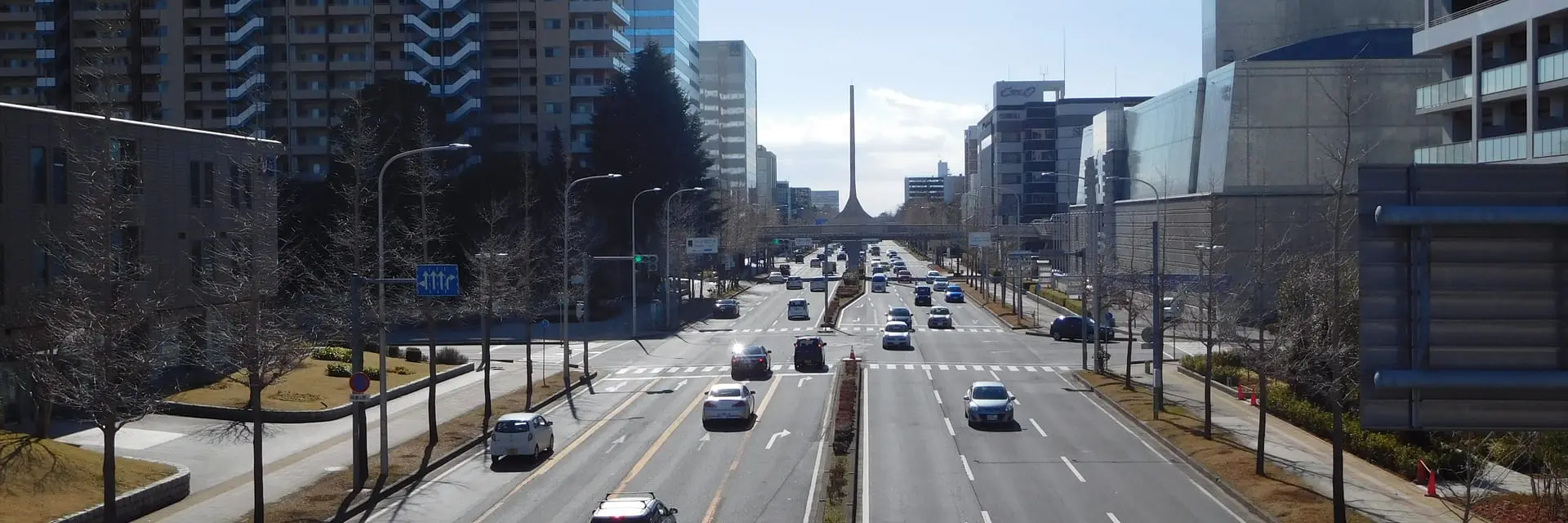
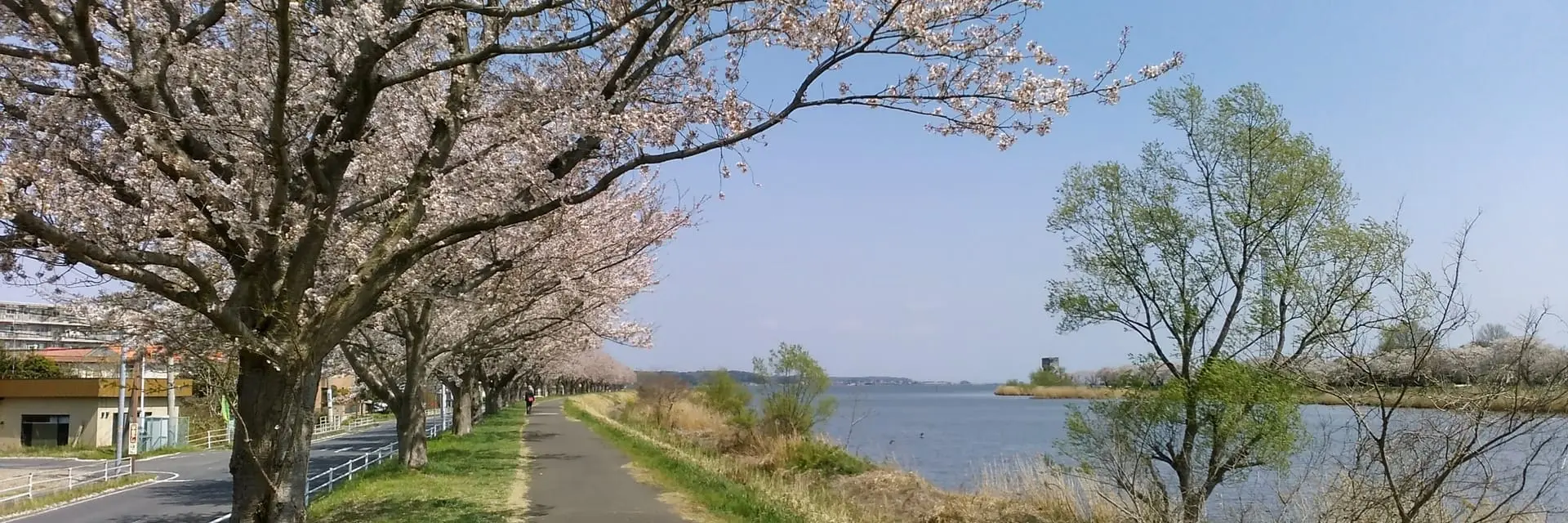
The Tsukuba Marathon draws approximately 4,500 finishers each November through Japan's science city in Ibaraki Prefecture. The course passes Tsukuba Expo Center, Mount Tsukuba foothills, and the vast Kasumigaura lakeside plain on flat research-campus roads. November's crisp Kanto autumn makes it a popular regional race northeast of Tokyo.
Tsukuba Marathon is a certified 42.195 km (26.2 mile) marathon — the standard World Athletics marathon distance.
- Typical participants
Approximately 4,500 finishers
- Weather
Course & terrain
Tsukuba Marathon course
Route map and elevation profile for race-week planning.
The Tsukuba Marathon is an urban road that starts and finishes at the Tsukuba Capio or Expo Center area. The loop passes the Tsukuba Science City campus roads, the Kenkyū-gakuen district, and Kasumigaura lakeside approaches. The flat profile keeps rhythm steady throughout, with only minor bridge ramps or short rises interrupting otherwise even pacing. Spectators gather at the start-finish festival and at organised cheer zones through the city centre and along the main boulevards.
Tsukuba Marathon route map
The Tsukuba Marathon course is flat over 42.195 km (26.2 miles). Runners cover 50 metres of climbing and 50 metres of descent, with minimal net elevation change from start to finish.
- Elevation
Registration
Tsukuba Marathon entry requirements
Tsukuba is about 45 minutes from Akihabara Station on the Tsukuba Express (TX) line. Organisers provide shuttle buses from Tsukuba Station on race morning.
Getting there
Tsukuba Marathon travel
Airports closest to Tsukuba for flight planning and race-week travel.
- Closest airport
Omitama (IBR)
Ibaraki Airport
29 km / 18 mi
- Also nearby
Narita (NRT)
Narita International Airport
43 km / 27 mi
Race footage
Tsukuba Marathon videos
Race-day footage from the course to help you picture the route, crowds, and key landmarks on marathon day.
[Marathon] Introducing the new course for the 45th Tsukuba Marathon!
Common questions
Frequently Asked Questions
- What is the Tsukuba Marathon elevation profile?
- The Tsukuba Marathon has 50 metres of total climbing and 50 metres of descent over 42.195 km (26.2 miles). The course is flat, with 0 metres of net change from start to finish.
- Where can I find the Tsukuba Marathon route map?
- This page includes a Tsukuba Marathon course map showing the full 42.195 km route from start to finish. Passes the Tsukuba Science City campus roads, the Kenkyū-gakuen district, and Kasumigaura lakeside approaches.
- How long is the Tsukuba Marathon?
- The Tsukuba Marathon is the standard marathon distance of 42.195 kilometres (26.2 miles), certified to World Athletics rules. Starts and finishes at the Tsukuba Capio or Expo Center area.
- What time does the Tsukuba Marathon start?
- The 2026 Tsukuba Marathon starts at 9:00 am local time on Sunday, 15 November 2026. Arrive early for baggage drop and corral access — official race communications confirm any last-minute schedule changes.
- What is Tsukuba known for?
- Tsukuba is Japan's premier science and research city, home to the Tsukuba Space Center and numerous national research institutes. The marathon loops through this planned academic community.
- When is the Tsukuba Marathon?
- The Tsukuba Marathon is held in November, typically on the third Sunday.
- Is the Tsukuba Marathon flat?
- Yes. The Tsukuba plain is flat, though Mount Tsukuba is visible to the north without being climbed on the course.
- How do I get to the Tsukuba Marathon from Tokyo?
- Tsukuba is about 45 minutes from Akihabara Station on the Tsukuba Express (TX) line. Organisers provide shuttle buses from Tsukuba Station on race morning.
- What weather should I expect in Tsukuba in November?
- November in Tsukuba is crisp autumn weather, often 8–16 °C (46–61 °F). Clear days offer views of Mount Tsukuba to the north.
Official resources
Tsukuba Marathon links
Websites
Social Media
Last updated 11 October 2026. Edition dates and course details are reviewed regularly.
Close to this race
Nearby Marathons
Other races closest to Tsukuba.


Planning guides
Related guides
Practical guides to help you plan, train for, and run this race.

Flat vs Hilly Marathons
When a flat course helps your time, when hills are worth the view, and how to pick terrain that fits your training and goals.

Marathon Weather: What to Expect
How temperature, humidity, wind, and rain affect marathon performance — and how to use typical race-day weather when choosing a start line.

How to Choose a Marathon
Match a race to your goals — personal bests, sightseeing, atmosphere, or a major milestone — using course data and realistic expectations.