

Next race
Sunday, 25 October 2026
9:00 am start
Distance
42.195 km / 26.2 mi
Urban road
Elevation
Rolling · 100 m gain
100 m climbing
Race profile
Overview
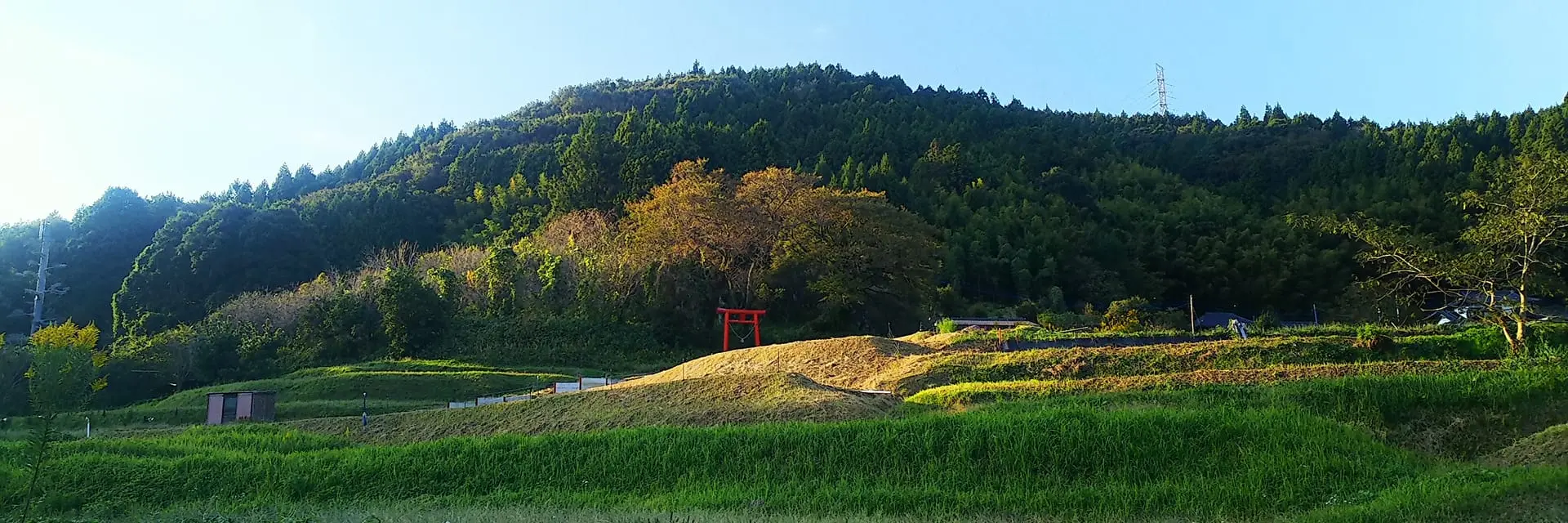
The Mito Komon Marathon draws approximately 10k finishers each October on an urban road in Mito, Japan. The race honors the famous Mito Komon figure and leans strongly into local history. The route passes Kodokan approaches, city parks, and broad Ibaraki roads connected to the Tokugawa-era Mito heritage. Gentle undulations are the only breaks on an otherwise flat profile.
Mito Komon Marathon is a certified 42.195 km (26.2 mile) marathon — the standard World Athletics marathon distance.
- Typical participants
Approximately 10k finishers
- Weather
Course & terrain
Mito Komon Marathon course
Course route details and elevation profile for race-week planning.
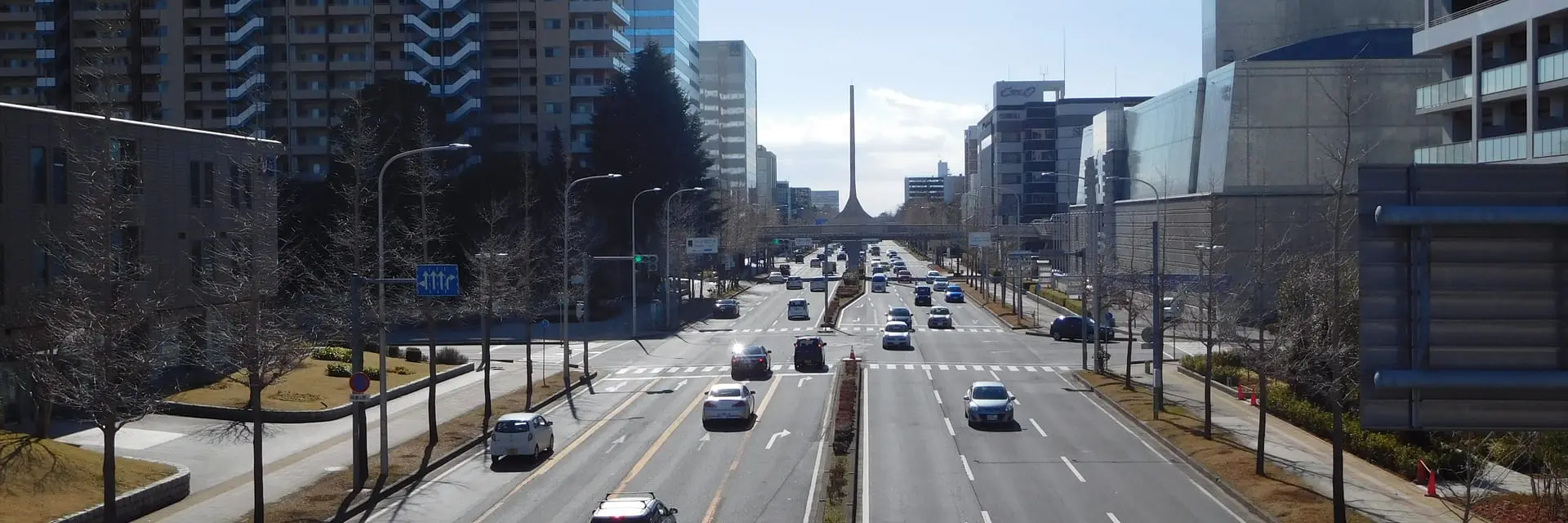
Starts and finishes in central Mito. The route passes Kodokan approaches, city parks, and broad Ibaraki roads connected to the Tokugawa-era Mito heritage. Mostly flat with gentle undulations. Very flat throughout.
The Mito Komon Marathon course is rolling over 42.195 km (26.2 miles). Runners cover 100 metres of climbing and 95 metres of descent, with a net climb of 5 metres from start to finish.
- Elevation
Rolling · 100 m gain — approx. 28 m above sea level
↑ 100 m · ↓ 95 m · net +5 m
Registration
Mito Komon Marathon entry requirements
The Mito Komon Marathon uses a lottery system through mitokomon-manyu-marathon.com and RUNNET, with applications typically accepted during a window that opens in April for the October race. The field of roughly 10k runners is capped and domestic demand through RUNNET makes lottery acceptance uncertain. International runners can apply through Run Japan or official travel packages when general lottery entry is oversubscribed.
Getting there
Mito Komon Marathon travel
Airports closest to Mito for flight planning and race-week travel.
- Closest airport
Omitama (IBR)
Ibaraki Airport
19 km / 12 mi
Common questions
Frequently Asked Questions
- What is the Mito Komon Marathon elevation profile?
- The Mito Komon Marathon has 100 metres of total climbing and 95 metres of descent over 42.195 km (26.2 miles). The course is rolling, with 5 metres of net climb from start to finish.
- How long is the Mito Komon Marathon?
- The Mito Komon Marathon is the standard marathon distance of 42.195 kilometres (26.2 miles), certified to World Athletics rules. Starts and finishes in central Mito.
- What time does the Mito Komon Marathon start?
- The 2026 Mito Komon Marathon starts at 9:00 am local time on Sunday, 25 October 2026. Arrive early for baggage drop and corral access — official race communications confirm any last-minute schedule changes.
- Where does the Mito Komon Marathon start and finish?
- Starts and finishes in central Mito. Updated each year.
- When is the Mito Komon Marathon and how do I register?
- Mito Komon Marathon is typically held in October. Registration opens may use a lottery or tiered entry when demand exceeds capacity.
- Is the Mito Komon Marathon course flat?
- Yes. Mito Komon Marathon is known for a largely flat profile with only minor undulations, making it popular with runners chasing steady pacing.
- What landmarks does the Mito Komon Marathon pass?
- The route passes Kodokan approaches, city parks, and broad Ibaraki roads connected to the Tokugawa-era Mito heritage.
- What weather should runners expect at Mito Komon Marathon?
- Typically mild with light humidity and comfortable autumn air.
Official resources
Mito Komon Marathon links
Websites
Social Media
Last updated 11 October 2026. Edition dates and course details are reviewed regularly.
Close to this race
Nearby Marathons
Other races closest to Mito.




Planning guides
Related guides
Practical guides to help you plan, train for, and run this race.

Marathon Course Profiles Explained
What flat, rolling, and hilly really mean — and how to read elevation gain, net change, and altitude on a marathon course.

Marathon Entry: Lotteries, Ballots & Open Registration
How major marathons allocate places — open entry, lotteries, charity bibs, tour operators, and what to check before you commit to a trip.

Marathon Weather: What to Expect
How temperature, humidity, wind, and rain affect marathon performance — and how to use typical race-day weather when choosing a start line.